MarketsMarketWatchApr 24, 2026· 1 min read
Intel's Historic Surge: CPU Renaissance Propels Stock Toward 2000 Peak
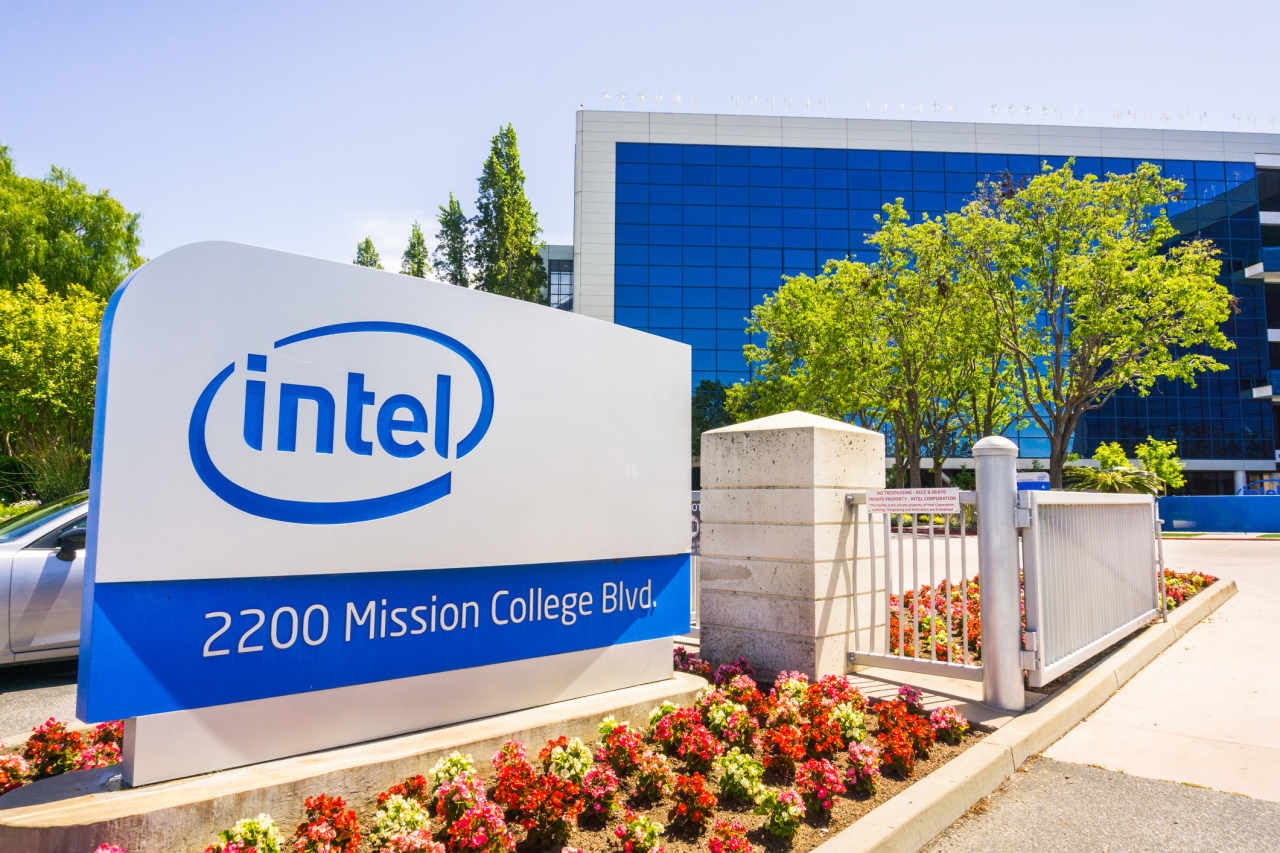
Intel shares are projected for a significant post-earnings surge, potentially marking a record performance and surpassing their 2000 closing high. This momentum is driven by a "CPU renaissance," signaling renewed market confidence in Intel's strategic direction and robust demand within the semiconductor sector.
Intel Corporation (NASDAQ: INTC) shares are positioned for a potentially historic post-earnings performance, with market analysts anticipating a substantial upward movement. This projected surge could see the stock not only achieve its best post-earnings rally on record but also finally surpass its closing high last observed in 2000, a significant economic benchmark pre-dating the dot-com bust.
The fundamental catalyst underpinning this optimistic forecast is what industry observers are labeling a "CPU renaissance." This term reflects a renewed period of innovation and heightened demand within the Central Processing Unit market, a sector critical to Intel's operational and financial health. Increased demand, likely propelled by advancements in artificial intelligence, robust growth in data centers, and evolving enterprise computing needs, directly translates to expanded revenue potential and market share opportunities for Intel.
Should Intel achieve this level of performance, it would signify more than just a robust quarter. It would indicate a profound reassessment of the company's long-term strategic direction and competitive positioning within the global technology ecosystem. Surpassing the two-decade-old valuation peak suggests a renewed investor confidence in Intel's capacity to innovate and effectively compete in a rapidly evolving technological landscape. For the broader semiconductor industry, such a notable rebound by a foundational player like Intel would point to strong underlying demand and a favorable investment environment, potentially signaling a sustained upturn beyond previous cyclical fluctuations. This development highlights the deep economic interplay between technological innovation, market demand, and corporate strategy in shaping investor sentiment and market capitalization.


