MarketsMarketWatchJul 2, 2026· 1 min read
New 'Trump Accounts' to Distribute Funds, Prompting Economic Questions
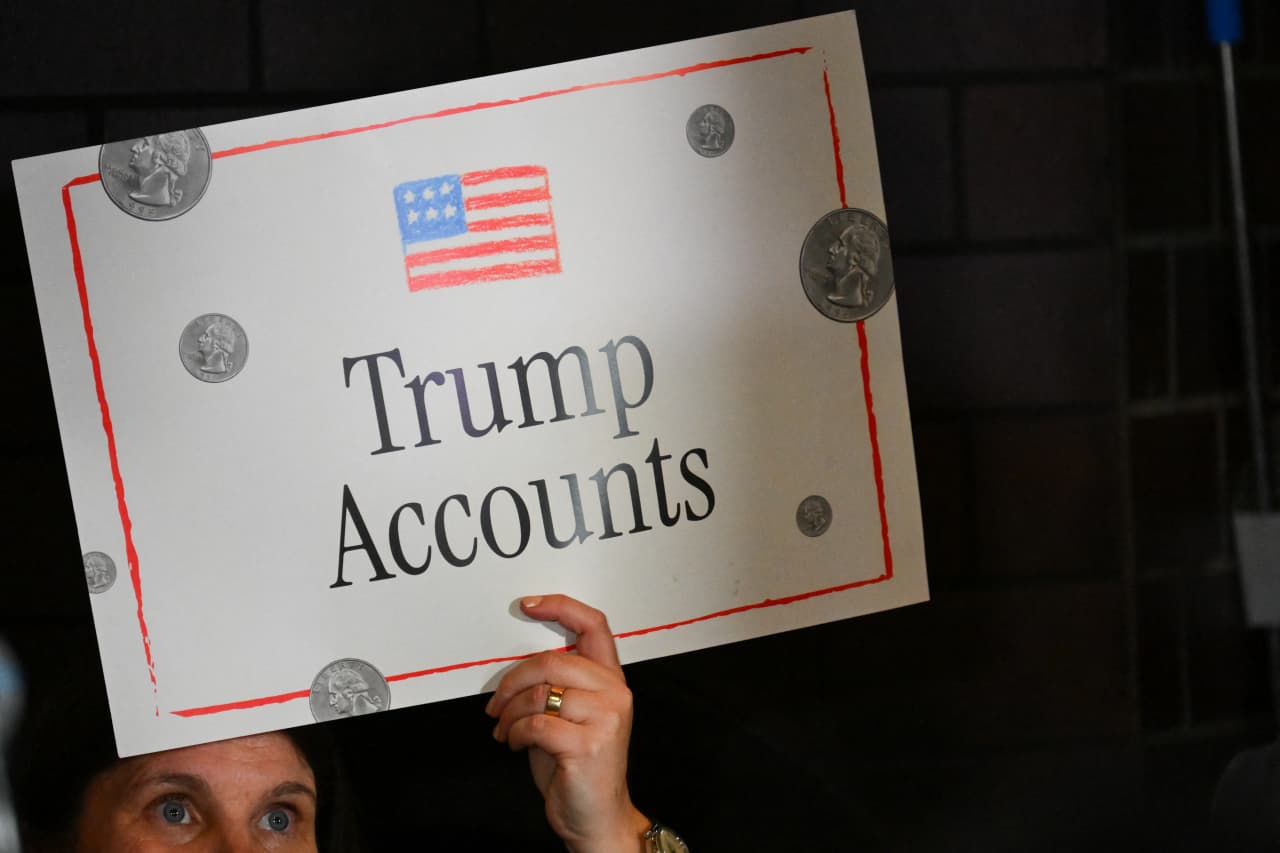
A new initiative dubbed 'Trump accounts' is beginning to distribute funds, leading to queries about eligibility and operational mechanics. This direct injection of capital into households is expected to impact consumer spending and local economies, with its ultimate fiscal footprint dependent on funding sources.
A new initiative, colloquially referred to as 'Trump accounts,' is set to commence distribution, raising questions among families regarding eligibility and operational details. While specific parameters for these accounts are still emerging, the underlying mechanism involves the disbursement of funds to eligible recipients, a move that could have a measurable impact on consumer spending and localized economies.
The economic implications of this program are multifaceted. The direct injection of funds into households is anticipated to boost retail consumption, particularly within segments targeting families and children. This could provide a short-term stimulus to businesses dependent on discretionary spending. The timing and scale of these distributions will be critical in determining their aggregate effect on Gross Domestic Product (GDP).
Furthermore, the program's design and administration will influence its efficiency and equity. Questions remain regarding the precise criteria for eligibility, the method of fund delivery, and the potential for any associated administrative costs. The broader economic community will be observing whether this direct financial support translates into sustained economic activity or primarily addresses immediate household liquidity needs.
From a fiscal perspective, the funding source for these accounts is a key consideration. Depending on whether the funds are drawn from existing budgetary allocations, new revenue streams, or increased borrowing, there will be distinct implications for national debt and future fiscal policy. The program's rollout is expected to provide more clarity on these critical economic dimensions, allowing for a more comprehensive assessment of its long-term effects.
Analyst's Take
The staggered distribution of these funds, rather than a single lump sum, could mute their immediate impact on headline economic indicators but potentially extend their stimulative effect over a longer period. This could lead to a 'trickle-up' effect, where initial spending on necessities frees up other household budget components, impacting secondary markets like leisure or home improvement in subsequent quarters.


