MacroBBC BusinessApr 22, 2026· 1 min read
Lufthansa Reduces Summer Schedule by 20,000 Flights Amid Fuel Price Volatility
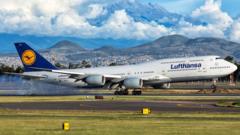
Lufthansa announced a cut of 20,000 summer flights, attributing the decision to surging jet fuel prices driven by Middle Eastern geopolitical tensions. This strategic capacity reduction underscores the airline's effort to mitigate rising operational costs and protect profitability, signaling the direct economic fallout of global events on the aviation sector and potentially on consumer airfares.
Lufthansa Group has announced a significant reduction in its upcoming summer flight schedule, trimming approximately 20,000 flights. This strategic adjustment comes as the aviation industry grapples with a substantial surge in jet fuel prices, primarily fueled by escalating geopolitical tensions in the Middle East, specifically citing the US-Israel conflict with Iran.
Jet fuel constitutes one of an airline's largest operating expenses, often accounting for 20-30% of total costs. The current volatility, driven by supply concerns and heightened risk premiums in global energy markets, directly impacts airlines' profitability and operational viability. By curtailing capacity, Lufthansa aims to mitigate the financial strain imposed by these inflated input costs, thereby protecting its profit margins and ensuring operational efficiency. This move reflects a broader industry response, as Lufthansa is noted as the latest carrier to undertake such measures.
The decision to cut flights, particularly during the peak summer travel season, indicates a difficult balancing act between managing costs and meeting anticipated demand. While reducing supply, this could exert upward pressure on airfares for the remaining flights, potentially impacting consumer travel plans and discretionary spending. For an economics-aware audience, this highlights the direct link between global geopolitical events, commodity markets, and the microeconomic decisions of major corporations, ultimately influencing consumer prices and broader economic activity in the travel sector. The sustained uncertainty in energy markets suggests that capacity adjustments and price volatility may continue to characterize the airline industry's operational landscape in the near term.

