MarketsMarketWatchApr 29, 2026· 1 min read
Beverage Giants Tap 'Dirty Soda' Trend for Sales Boost
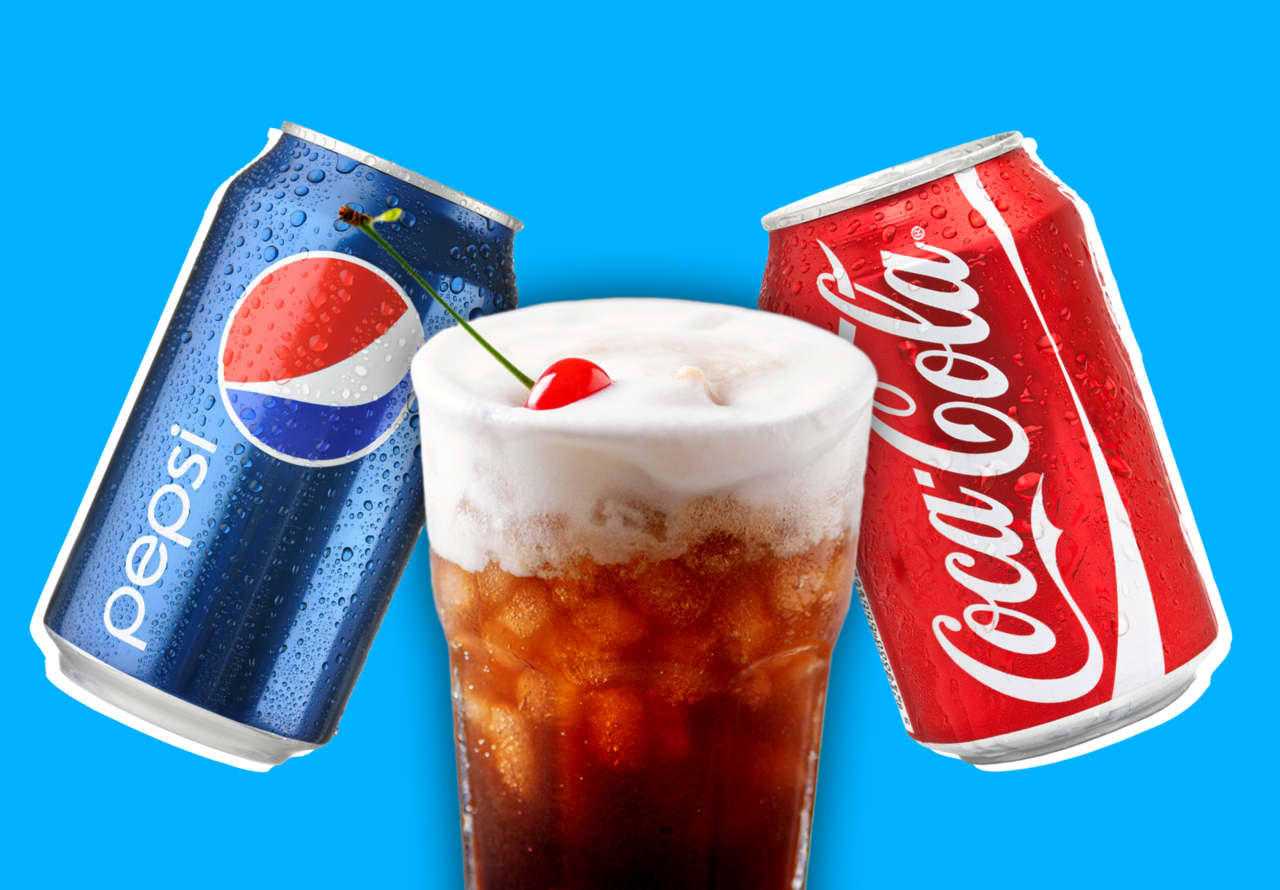
Coca-Cola and PepsiCo are leveraging the 'dirty soda' trend, incorporating cream and syrup-enhanced beverages into their offerings, to bolster sales. This strategic diversification is helping the beverage giants maintain growth in a maturing market, with other major brands also entering the space.
Coca-Cola and PepsiCo are increasingly integrating 'dirty soda' variations into their product portfolios, capitalizing on a burgeoning consumer trend. This strategy involves the addition of creams, syrups, and fruit purees to traditional carbonated soft drinks, creating novel flavor profiles that resonate with a growing segment of consumers.
The push into 'dirty soda' offerings, exemplified by products like Dirty Mountain Dew and Coca-Cola Cherry Float, is proving instrumental in bolstering sales for both beverage behemoths. This development is particularly significant as established carbonated soft drink markets face saturation and evolving consumer preferences towards healthier alternatives. By diversifying their product lines with these enhanced beverages, Coke and Pepsi aim to capture new market share and invigorate existing customer bases.
Beyond the two industry leaders, other major beverage brands are also reportedly exploring or launching their own versions of these customized drinks. This collective shift indicates a broader industry recognition of the 'dirty soda' phenomenon as a viable avenue for revenue growth and product innovation. The trend, which originated from smaller, independent establishments and social media popularity, is now firmly entrenched in mainstream beverage strategies, reflecting a responsive adaptation by large corporations to evolving consumer tastes.
Analyst's Take
While 'dirty soda' offers an immediate sales bump by tapping into a social media-driven trend, its longer-term economic implication for the beverage giants may be limited to short-cycle revenue generation. The market may be overlooking the potential for increased commodity costs associated with the additional ingredients (creams, syrups) and the risk of cannibalization of higher-margin, traditional beverage sales if these new variations merely shift existing demand rather than creating incremental consumption.


