EnergyOilPrice.comJul 24, 2026· 1 min read
Saudi Crude Tanker Navigates Red Sea Risk by Going Dark
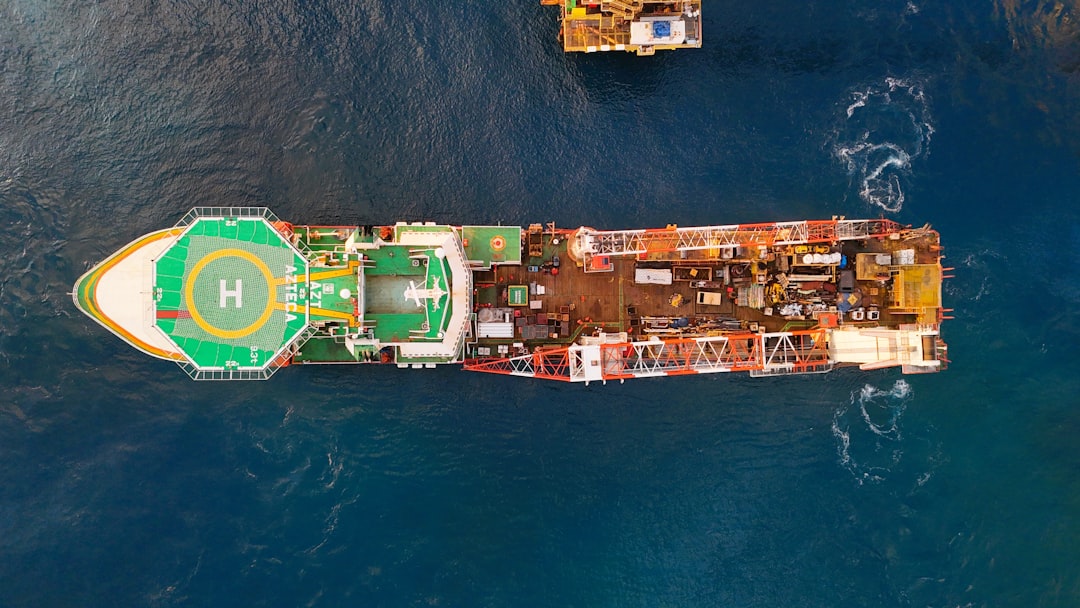
A Saudi crude oil tanker transited the Bab al-Mandeb Strait with its transponder off, a measure taken due to escalating Houthi threats to shipping in the Red Sea. This operational shift signals increased security risks and potential disruptions to global oil transport, likely driving up insurance costs and supply chain uncertainty.
A crude oil tanker carrying Saudi Arabian oil recently transited the Bab al-Mandeb Strait with its transponder deactivated, a tactic commonly known as 'going dark.' This action by the Merbabu tanker, a Greek-owned vessel laden with Saudi crude, follows heightened security risks in the Red Sea after Houthi declarations of a blockade on Saudi shipments and attacks on vessels off the coast of Yemen. The use of 'dark mode' by the Merbabu signals a significant escalation in operational security measures for maritime oil transport through this critical chokepoint.
The Bab al-Mandeb Strait, a narrow waterway connecting the Red Sea to the Gulf of Aden and the Indian Ocean, is vital for global oil and gas shipments. The decision to disable transponders, while not unprecedented in high-risk zones like the Strait of Hormuz, indicates that shipping companies are now perceiving the threat level in the Red Sea corridor as sufficiently acute to justify circumventing standard maritime tracking protocols. This practice, designed to evade hostile targeting, introduces increased navigational risks and complicates global maritime surveillance efforts.
The economic implications of such actions are multifaceted. Enhanced security risks and the need for clandestine transit methods invariably raise insurance premiums for vessels operating in the region. This added cost is likely to be passed on to consumers, potentially impacting global oil prices. Furthermore, prolonged or widespread adoption of 'dark mode' transit could disrupt established shipping schedules, increase supply chain uncertainty, and potentially lead to re-routing decisions for some cargo, impacting efficiency and increasing transit times and fuel costs. The incident underscores the fragility of global energy supply lines to geopolitical instability in key maritime chokepoints.
Analyst's Take
While the immediate impact on global oil prices may be limited to a marginal risk premium, the broader implication lies in the normalization of 'dark' transit through critical chokepoints. This practice degrades maritime domain awareness, increasing the risk of accidents and making it harder for navies to monitor illicit activities, potentially leading to more direct naval escorts or longer, more expensive re-routing of commercial shipping in the medium term, impacting refinery utilization and inventory builds in destination markets.