MarketsMarketWatchApr 24, 2026· 1 min read
US Oil Prices 'Higher For Longer' Amid Unwavering Iran Policy
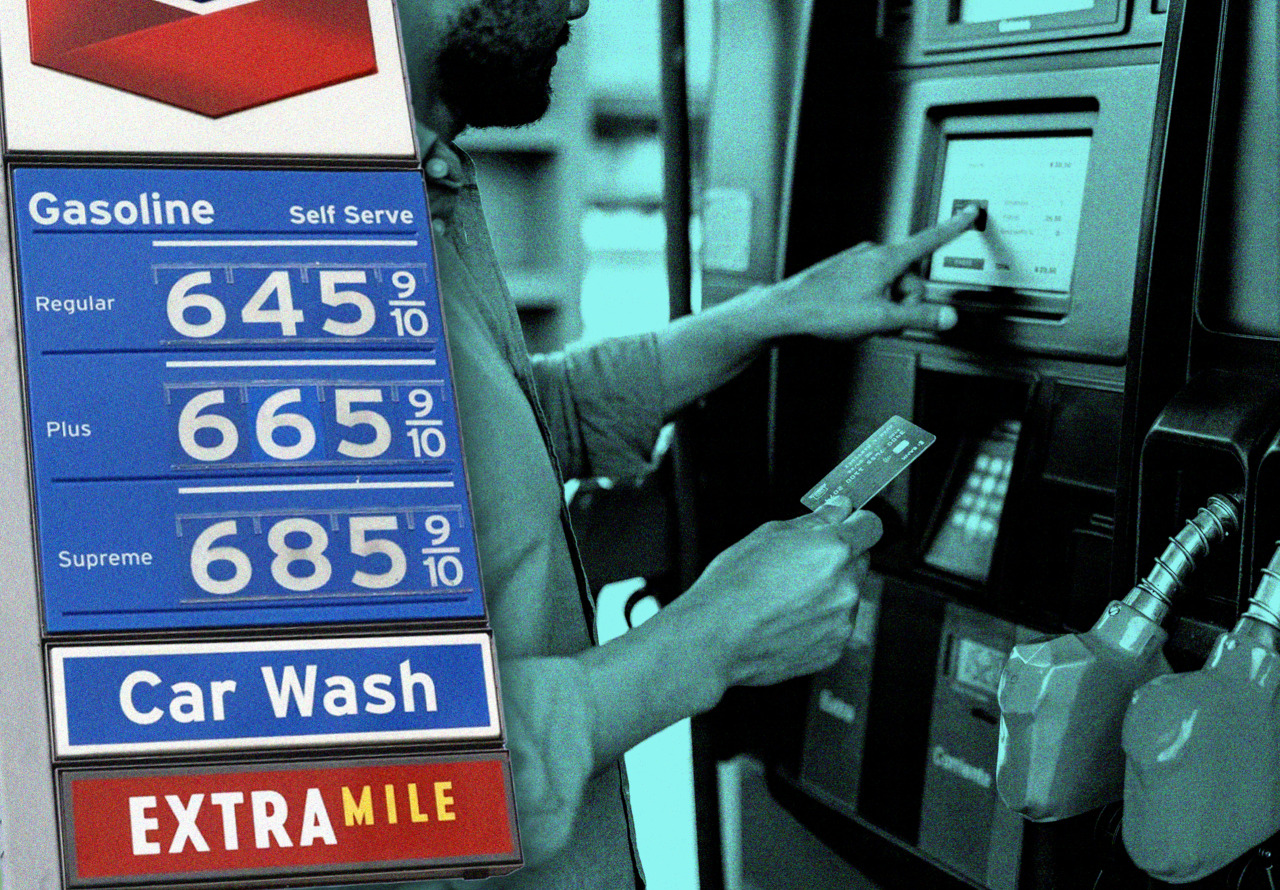
U.S. oil and fuel prices are projected to remain elevated longer than anticipated, driven by President Trump's steadfast policy on Iran. This sustained period of higher energy costs is set to impact household discretionary income and corporate input costs, potentially contributing to broader inflationary pressures.
U.S. oil and fuel prices are showing signs of sustained elevation, challenging earlier market expectations for a decline. This shift points to a "higher for longer" scenario for energy consumers, with significant economic implications for households and businesses alike.
A primary driver behind this recalibrated outlook appears to be the unwavering stance of President Donald Trump's administration regarding Iran. Despite the observable upward pressure on domestic energy costs, the administration has maintained its firm geopolitical posture, signaling a prioritization of strategic objectives over immediate market relief.
For American households, prolonged elevated fuel costs translate directly into increased transportation expenditures. This erosion of discretionary income can constrain consumer spending in other sectors, potentially moderating overall economic growth. Businesses, particularly those in transportation and energy-intensive industries, face rising input costs, which could compress profit margins or necessitate price adjustments for consumers, potentially contributing to broader inflationary trends.
The market's adjustment to a sustained period of higher prices reflects an acknowledgement that geopolitical tensions, specifically those involving U.S. policy towards Iran, are exerting a powerful influence on global energy supply dynamics. The continued firmness from the White House suggests that these pressures, and their associated economic ramifications, are unlikely to dissipate quickly, compelling consumers and businesses to adapt to a prolonged period of elevated energy expenditure.


