EnergyOilPrice.comMay 13, 2026· 1 min read
New Technologies Pose Specific, Understated Risks to Electricity Sector
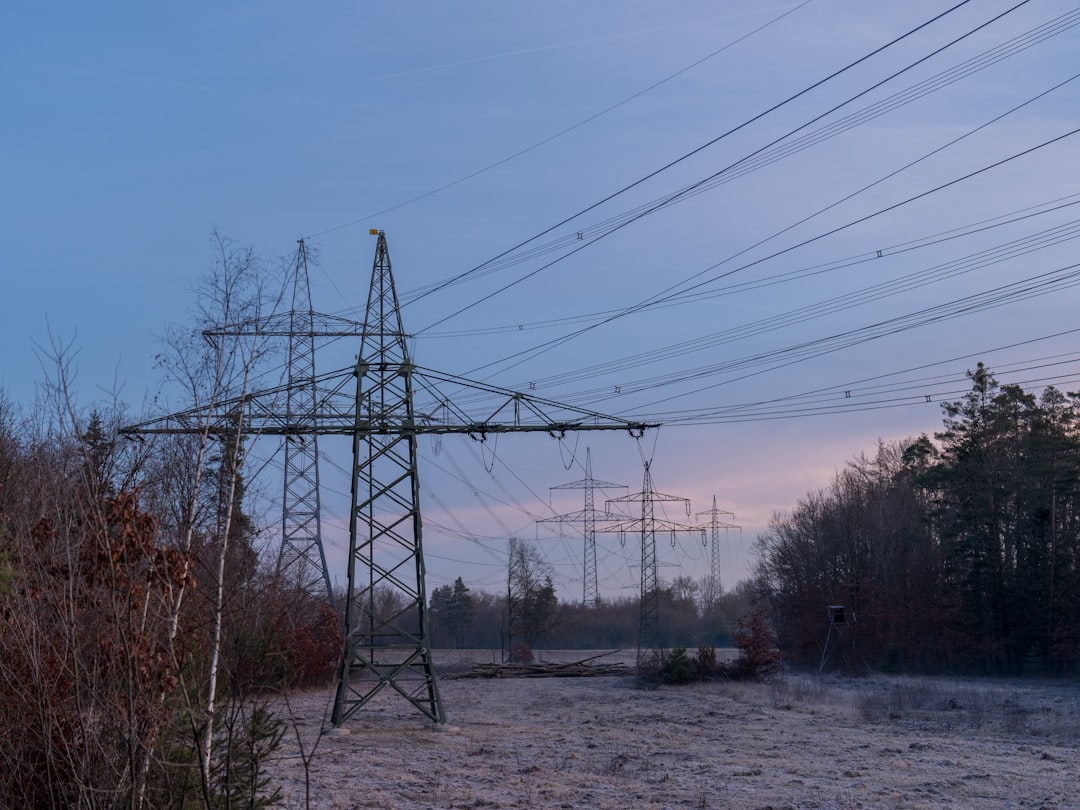
The electricity industry confronts specific, evolving risks from distributed generation, advanced energy storage, and smart grid technologies. Utility and brokerage reports often understate the transformative economic and operational challenges these innovations pose, potentially leading to delayed industry adaptation.
The electricity industry faces growing, yet often vaguely defined, risks stemming from the rapid emergence of three key technologies: distributed generation, advanced energy storage, and smart grid systems. While utility annual reports typically frame technological risk in broad, generic terms, this boilerplate language may be insufficient to capture the specific financial and operational challenges these innovations present.
Distributed generation, encompassing rooftop solar and other localized power sources, directly impacts traditional utility revenue models by reducing demand for grid-supplied electricity. This necessitates significant adaptation in grid management and pricing structures. Concurrently, advanced energy storage, particularly utility-scale batteries, enables greater grid flexibility and integration of intermittent renewables, but also requires substantial capital investment and new operational protocols.
Smart grid technologies, which involve real-time data collection and automated control, offer potential for enhanced efficiency and reliability. However, they also introduce new cybersecurity vulnerabilities and necessitate complex IT infrastructure upgrades. The integration of these technologies could lead to stranded assets for utilities invested in conventional generation, increased competition from non-utility providers, and the need for substantial regulatory reforms to accommodate evolving market dynamics.
Brokerage reports, often focusing on traditional metrics like rate base growth, may not fully account for the long-term disruptive potential of these technological shifts. The historical slow pace of change in the utility sector might lead to a delayed recognition of these risks, potentially impacting future earnings and investment returns as the energy landscape rapidly transforms.
Analyst's Take
The widespread adoption of these new energy technologies, while disruptive, also signals a significant shift in capital allocation within the energy sector. We can anticipate increased M&A activity among traditional utilities seeking to acquire nimble tech firms or distributed energy providers, potentially creating a bifurcation in valuation between legacy asset-heavy utilities and those successfully pivoting to integrated energy service models.