MarketsMarketWatchJun 21, 2026· 1 min read
Fed Rate Hikes Under Warsh: Market Resilience Expected
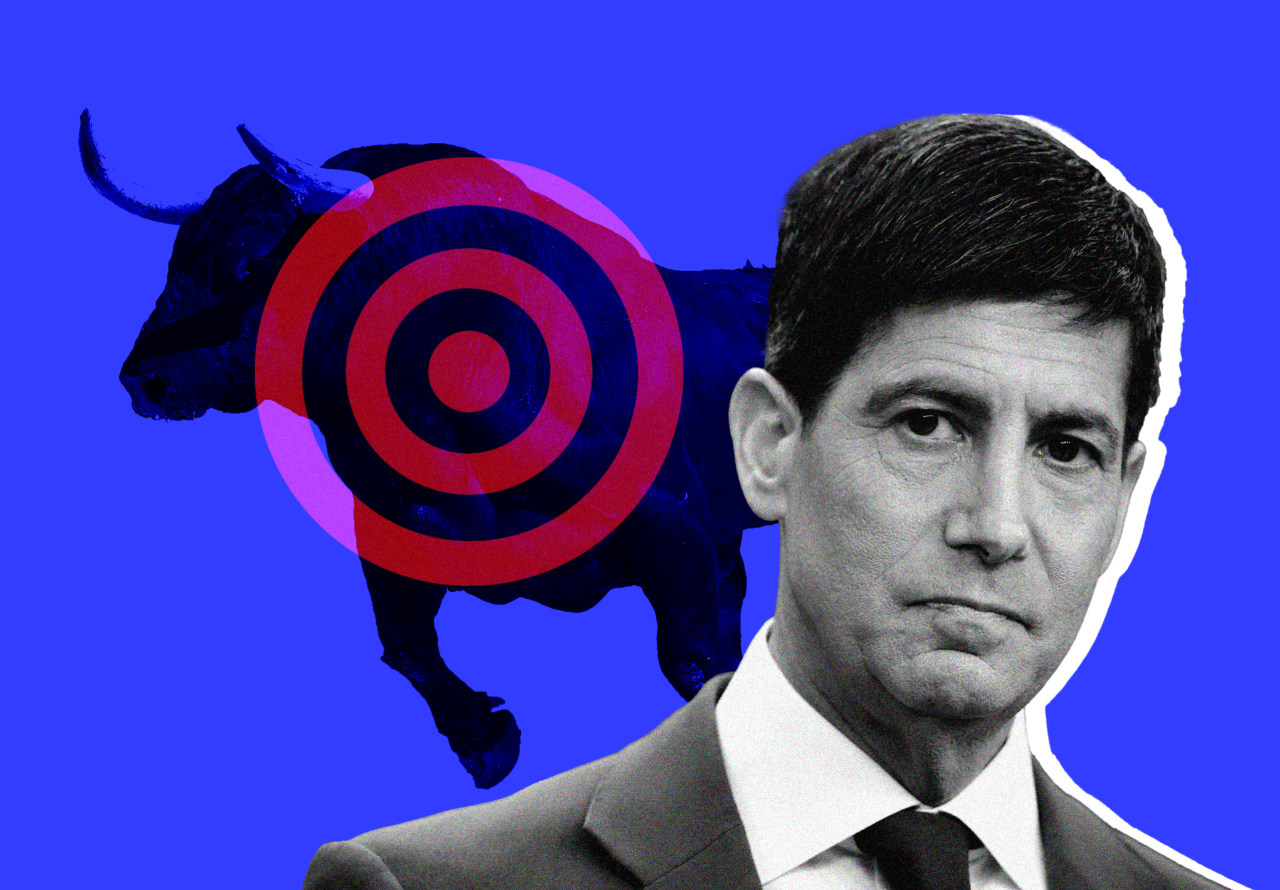
Market analysts suggest that potential Fed rate hikes, particularly under a Kevin Warsh chairmanship, may not trigger a bear market. Historical data indicates equity markets can demonstrate resilience during tightening cycles, with the threat of hikes potentially sufficing to manage inflation without immediate market reversals.
Despite ongoing speculation regarding the Federal Reserve's monetary policy trajectory, some market analysts suggest that potential rate hikes under a Fed led by Kevin Warsh may not be the catalyst for a bear market. Historical data from past rate-hike cycles indicates that equity markets can demonstrate resilience, and even appreciate, during periods of rising interest rates.
The premise is that the mere threat of rate increases could be sufficient to manage inflation expectations without necessarily stifling economic growth to the point of a market downturn. This perspective posits that a Fed, potentially under Warsh's influence, might leverage forward guidance and the credible threat of tightening to achieve its objectives, rather than solely relying on aggressive rate increases that could shock the system.
Historically, the initial phases of rate-hike cycles have often coincided with robust economic activity and corporate earnings, providing a fundamental underpinning for stock market performance. While tighter monetary conditions eventually weigh on valuations, the immediate impact is frequently less severe than anticipated, especially if the economy is fundamentally strong and inflation is perceived as manageable. Investors may view modest rate adjustments as a sign of economic health rather than an imminent threat.
This analysis challenges the conventional wisdom that any significant tightening cycle automatically spells the end of a bull market. Instead, it suggests that the market's reaction is nuanced, influenced by the pace and magnitude of hikes, underlying economic conditions, and the Fed's communication strategy. Should Warsh lead the Fed, his approach to monetary policy, particularly regarding communication and the signaling of future actions, would be a critical determinant of market sentiment and performance.
Analyst's Take
The market appears to be underpricing the long-term impact of 'threat-based' monetary policy. While initial market resilience is plausible, prolonged reliance on verbal intervention without follow-through could erode Fed credibility, leading to a more volatile and less predictable market reaction when actual policy shifts occur, potentially impacting bond yields before equities.


