TradeSCMP BusinessApr 25, 2026· 1 min read
Tianqi Lithium Prioritizes Domestic Sources Amidst Resource Nationalism, Shifting Supply Chains
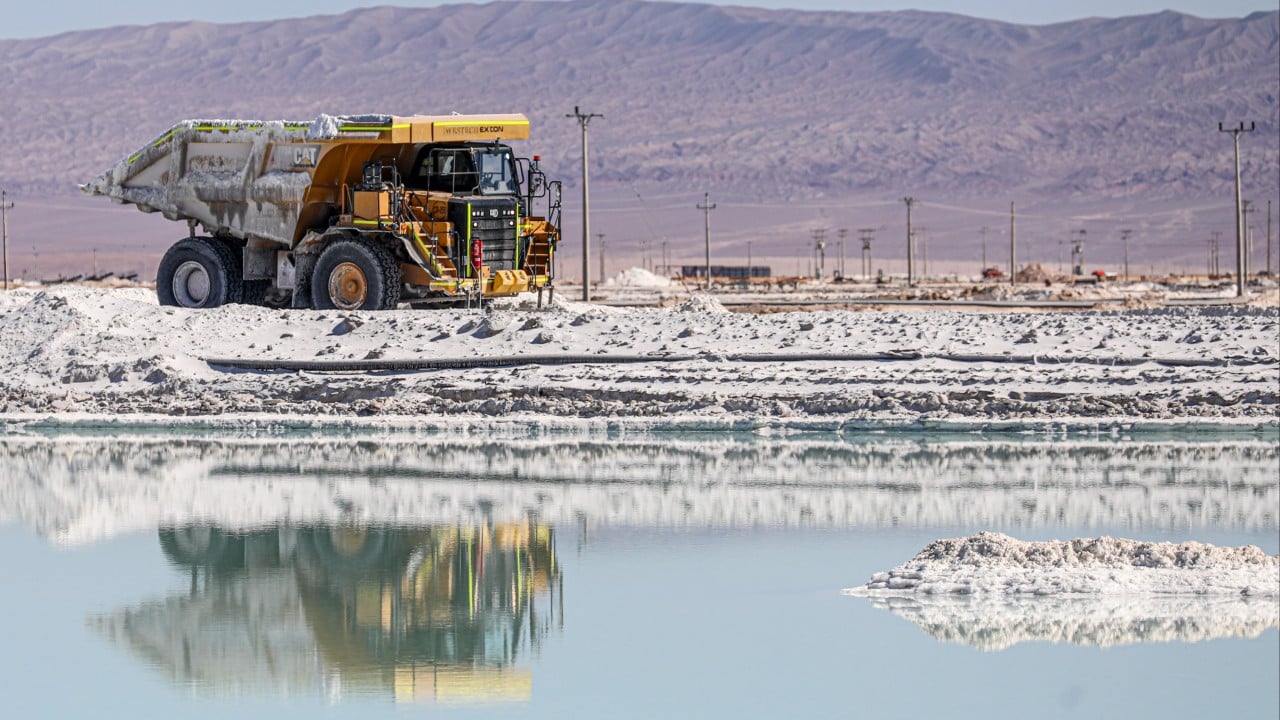
Tianqi Lithium is prioritizing domestic Chinese salt lake lithium extraction over African projects, citing geopolitical tensions and resource nationalism. This strategic pivot aims to secure battery mineral supplies amidst rising global demand for EVs and BESSs driven by higher oil prices.
Tianqi Lithium, a major Chinese lithium producer, announced a strategic shift to prioritize domestic salt lake resources over African ventures for securing battery mineral supplies. According to President Frank Ha Chun-shing, this decision is influenced by escalating geopolitical tensions and a global trend of resource nationalism.
This reorientation comes as the global energy landscape experiences significant shifts. Elevated oil prices, exacerbated by Middle Eastern conflicts, are fueling increased demand for electric vehicles (EVs) and battery energy storage systems (BESSs). Lithium, a critical component for these technologies, can be extracted from various sources, including hard rock and salt flat brines, and is processed into lithium carbonate, a key raw material for batteries.
The emphasis on domestic supply chains reflects a broader strategy among Chinese firms to enhance self-sufficiency in critical minerals. While Africa holds substantial untapped lithium reserves, the perceived risks associated with international investments, including political instability, regulatory uncertainty, and potential trade barriers, appear to be outweighing the benefits for Tianqi. This move signals a potential trend among other major players in the EV battery supply chain to de-risk their operations by focusing on more controlled and geographically proximate resource bases. The long-term implications include potential shifts in global lithium market dynamics, with increased investment in domestic extraction and processing capabilities in major consuming nations, potentially altering traditional supply routes and pricing structures.
Analyst's Take
While seemingly a localized business decision, Tianqi's shift is a leading indicator of capital allocation adjustments across critical mineral supply chains. The market may be underestimating the cumulative effect of such de-risking strategies, potentially leading to a bifurcation in lithium pricing – a premium for 'secure' domestic supply versus a discount for internationally sourced, higher-risk material, even if extraction costs are lower elsewhere. This could also accelerate the development of alternative battery chemistries that are less reliant on lithium in regions struggling with domestic supply.