MarketsMarketWatchMay 7, 2026· 1 min read
Oil, Geopolitics Lift Treasury Yields Amid Inflationary Pressure
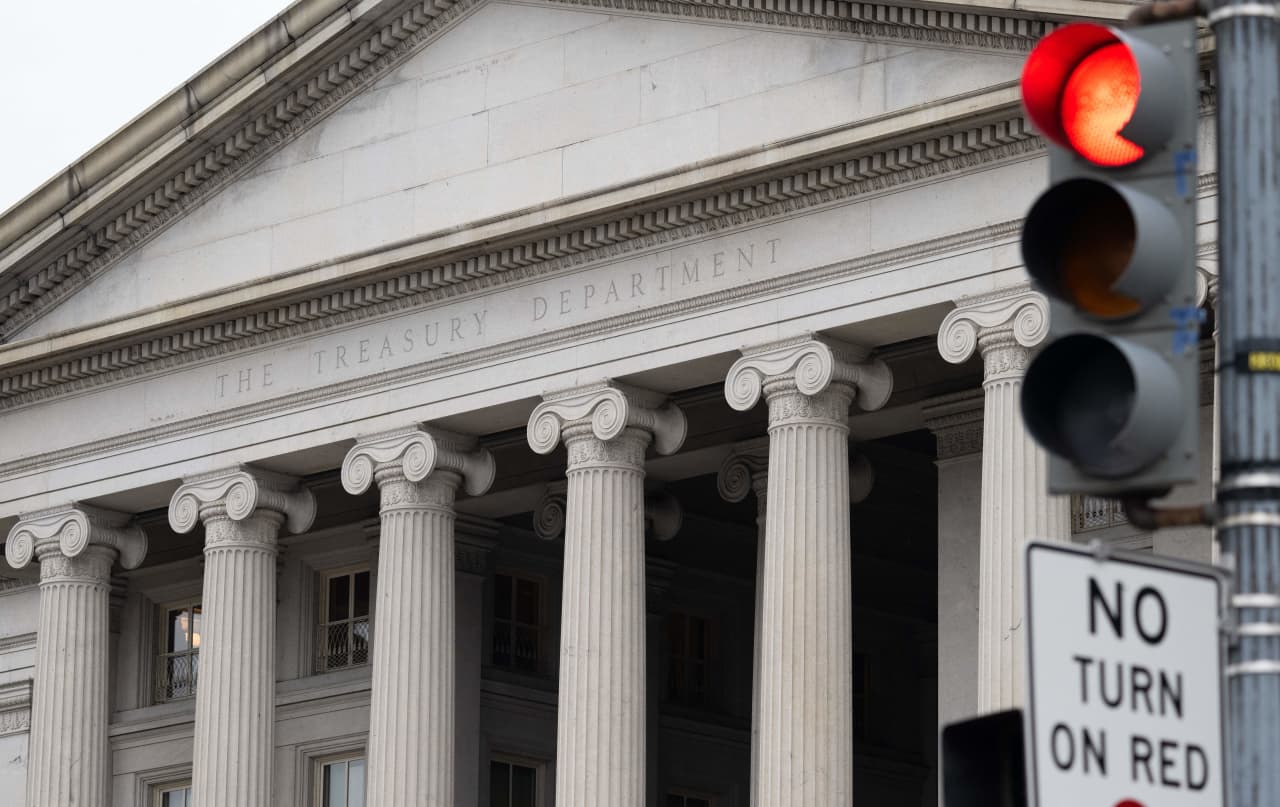
Elevated oil prices and geopolitical risks, particularly the Iran conflict, are establishing a new, higher floor for longer-duration U.S. Treasury yields. This confluence is amplifying inflation concerns and increasing borrowing costs across the economy.
A confluence of elevated oil prices, escalating geopolitical tensions stemming from the Iran conflict, and persistent inflation concerns are collectively exerting upward pressure on longer-duration U.S. Treasury yields. This dynamic establishes a new, higher floor for borrowing costs across the economy, impacting everything from corporate debt to mortgage rates.
Economists and market participants are increasingly factoring in these external variables as drivers of sustained inflation, moving beyond earlier expectations of transitory price increases. The direct linkage between crude oil prices and broader energy costs filters through the supply chain, affecting transportation, manufacturing, and consumer goods. Higher energy inputs inevitably translate into elevated producer prices, which can then be passed on to consumers, thereby sustaining inflationary pressures.
The geopolitical risk premium associated with the Iran conflict adds another layer of uncertainty. Any escalation in the Middle East could disrupt oil supplies, pushing prices even higher and exacerbating the inflationary environment. This 'risk-on' sentiment in the commodity markets, particularly oil, encourages investors to demand higher compensation for holding longer-term, fixed-income assets, consequently pushing Treasury yields upward.
The Federal Reserve, while focused on its dual mandate of maximum employment and price stability, faces a challenging environment where external shocks are driving inflation. Sustained higher Treasury yields reflect market participants' anticipation that the central bank may need to maintain a restrictive monetary policy for longer, or even consider further tightening, to counteract these exogenous inflationary forces. This environment suggests a continued period of higher borrowing costs for both public and private sectors, potentially dampening economic growth prospects.
Analyst's Take
While the immediate focus is on higher borrowing costs, the sustained upward pressure on long-duration Treasuries signals a recalibration of inflation expectations, potentially forcing the Federal Reserve to adjust its long-term 'neutral' rate outlook upwards. This could lead to a 'higher for longer' interest rate environment becoming the new baseline, irrespective of near-term Fed policy pivots, impacting capital expenditure and corporate valuations as future discount rates remain elevated.


