MarketsMarketWatchJun 30, 2026· 1 min read
LeBron James' Potential Move to Warriors Signals Escalating Athlete Salary Dynamics
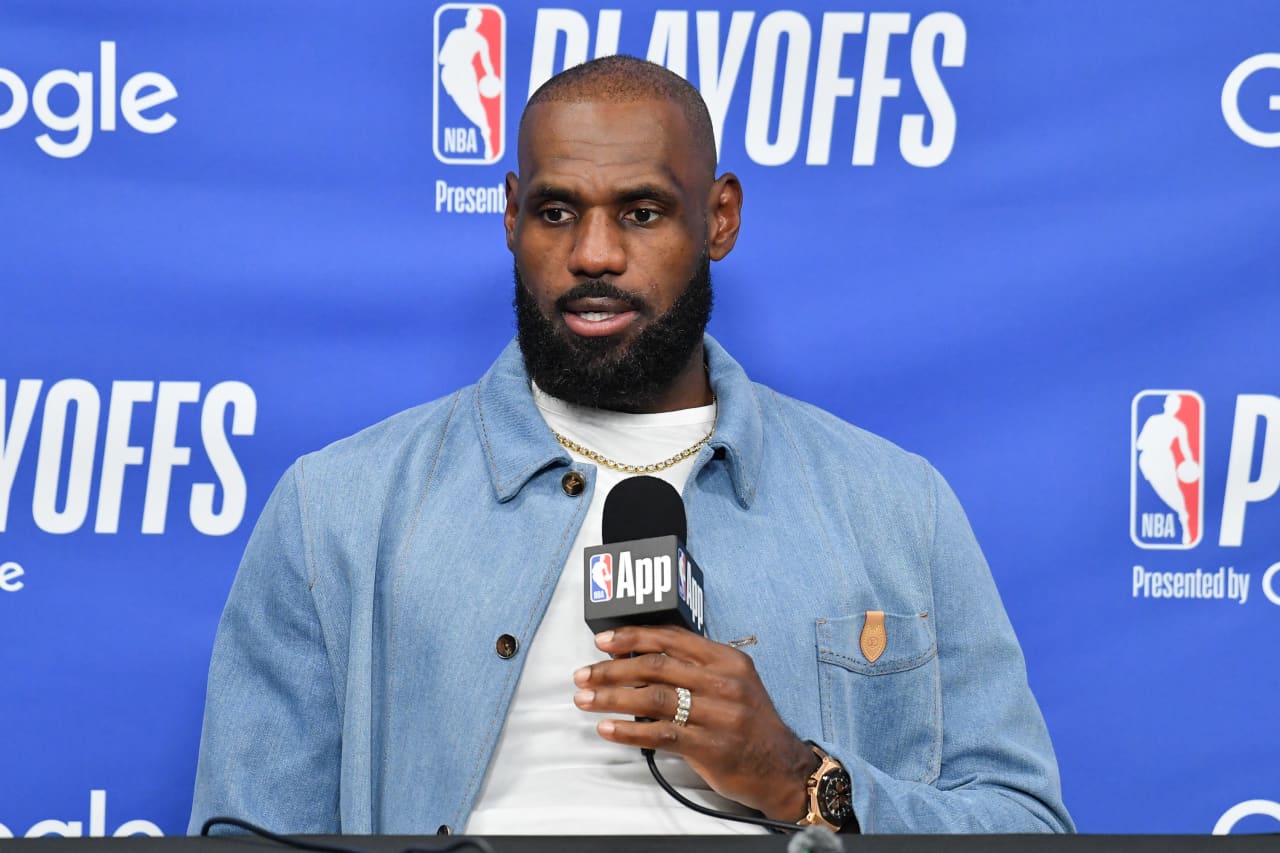
LeBron James is reportedly seeking a new NBA team, with a potential move to the Golden State Warriors raising questions about assembling one of the league's most expensive rosters. This scenario highlights the escalating costs of elite athletic talent and the significant financial outlays teams are prepared to make for competitive advantage.
Reports indicate that LeBron James' agent has informed the Los Angeles Lakers of his intention to seek a new team. While the specific destination remains unconfirmed, speculation regarding a move to the Golden State Warriors has drawn attention to the financial implications for the acquiring franchise. Such a transfer would likely assemble one of the most expensive rosters in NBA history, given the existing high-value contracts of key Warriors players.
The potential acquisition of James, a marquee free agent, underscores the increasing cost of elite talent in professional sports. A team like the Warriors, already featuring multi-million dollar contracts for players such as Stephen Curry, Klay Thompson, and Draymond Green, would face substantial luxury tax penalties under the NBA's collective bargaining agreement. These penalties are designed to disincentivize excessive spending and promote competitive balance, yet top-tier teams frequently exceed salary caps to pursue championships.
From an economic perspective, this scenario highlights the willingness of ownership groups to invest heavily in player salaries, anticipating returns through increased ticket sales, merchandise revenue, broadcasting rights, and ultimately, franchise valuation. The pursuit of a championship, often correlated with superstar talent, directly impacts these revenue streams. The financial engineering required to accommodate such a roster, including potential trades or re-negotiations, reflects a calculated economic decision by the team's management, weighing immediate costs against long-term financial and brand benefits.
Analyst's Take
The potential formation of a 'super team' through escalating player salaries, as exemplified by this news, often precedes a tightening of collective bargaining agreement rules in subsequent negotiations. While immediate market impact on team valuations might be positive, the long-term trend could see owners push for more restrictive salary cap mechanisms to temper runaway spending and maintain league-wide competitiveness, impacting future free agent markets and player mobility.


