EnergyOilPrice.comMay 14, 2026· 1 min read
China's Gasoline Demand Set for Deeper Decline Amid High Prices and EV Shift
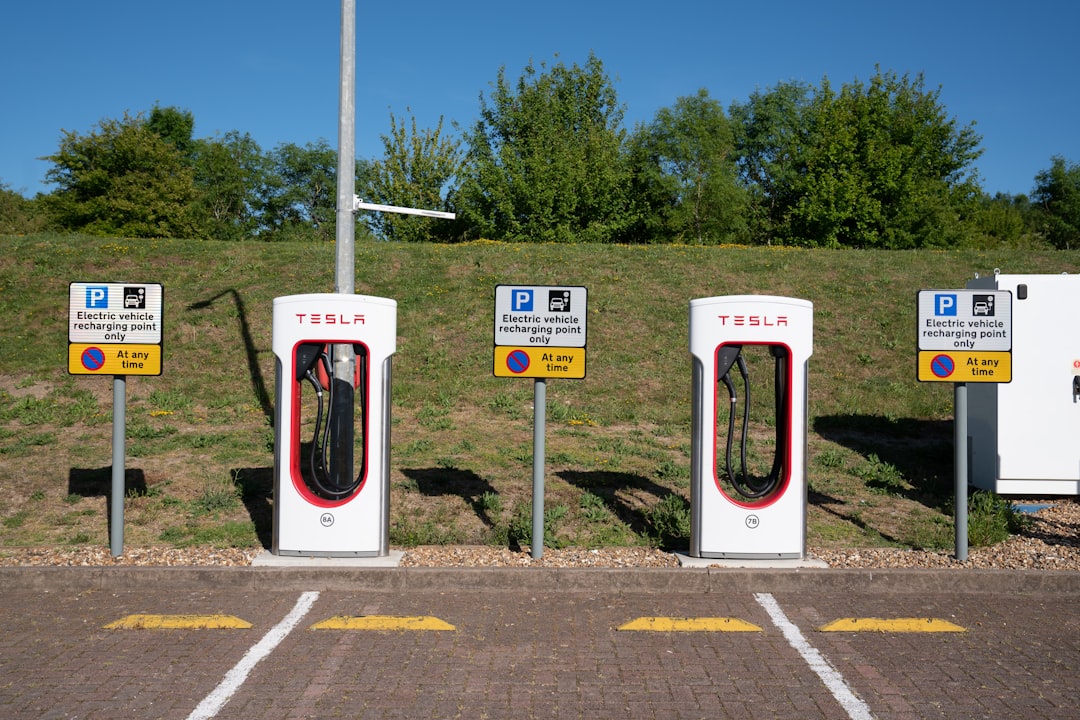
China's gasoline consumption is forecast to fall by 5.5% in 2026, a more significant decline than previously estimated. This accelerated drop is attributed to elevated global oil prices and the nation's continued robust adoption of electric vehicles.
China's gasoline consumption is projected to decline more sharply than previously anticipated in 2026, according to a new forecast by GL Consulting. The China-based consultancy now expects a 5.5% year-over-year slump in gasoline demand, an increase from its earlier projection of a 5.2% decline. This revised outlook comes as global oil prices have surged following the conflict involving Iran, adding upward pressure to fuel costs.
The persistent push towards electric vehicles (EVs) within China continues to be a significant contributing factor to the anticipated reduction in gasoline consumption. The confluence of elevated crude oil prices and the ongoing structural shift in the automotive market is accelerating the transition away from internal combustion engine vehicles. This trend is impacting overall fuel demand, a crucial metric for the global energy market given China's status as a major consumer.
The decline in demand for gasoline in the world's second-largest economy carries implications for global oil markets and energy producers. While the immediate impact is a reduced appetite for refined products, it also signals a long-term trajectory for energy consumption patterns in a key economic powerhouse. The magnitude of this shift could influence investment decisions in refining capacity and upstream oil exploration, particularly in regions heavily reliant on Chinese demand.
Analyst's Take
While the headline focuses on gasoline, the more profound implication is the accelerating structural decline in overall fossil fuel demand from China, a trend that higher oil prices are amplifying rather than diminishing. This could lead to a 'stranded asset' risk for global refining capacity and upstream oil projects, particularly if other major emerging economies follow a similar EV adoption curve, potentially dampening long-term oil price stability even amidst geopolitical shocks.