MarketsSMH BusinessApr 30, 2026· 1 min read
Kohler Withdraws from Political Event, Sparking Media Scrutiny
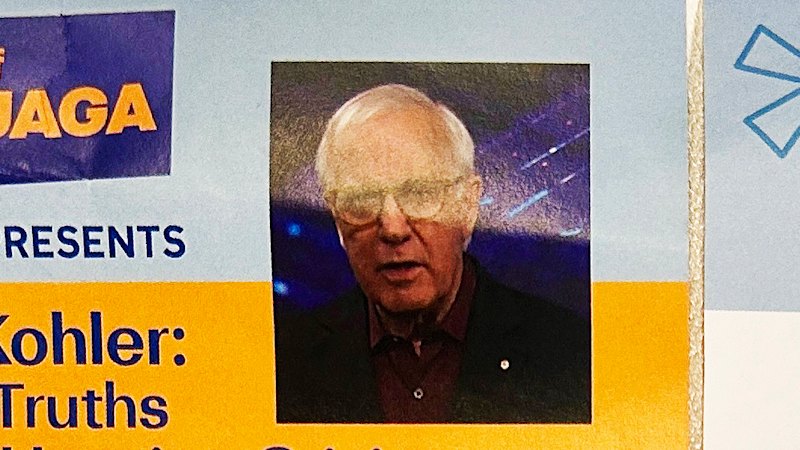
Veteran finance journalist Alan Kohler withdrew from a political event, citing a 'stuff-up.' The incident highlights scrutiny over media impartiality and potential conflicts of interest for public broadcasters.
Veteran Australian finance journalist Alan Kohler has withdrawn from a planned speaking engagement at a ticketed political event in Melbourne. Kohler, widely recognized for his extensive career in business journalism, had been slated as a headline speaker for the gathering. His participation had drawn significant attention, given his established role as a presenter for the Australian Broadcasting Corporation (ABC), a public broadcaster with strict impartiality guidelines.
The ABC's editorial policies emphasize the importance of maintaining independence and avoiding endorsements of political parties or causes. While the exact nature of the event and Kohler's intended speech were not fully disclosed, his decision to withdraw follows public discussion regarding the potential conflict of interest. The incident underscores the delicate balance prominent media figures, particularly those in public service roles, must strike between their professional duties and personal engagements.
From an economic perspective, this event primarily touches upon the media sector's operational ethics and the perceived neutrality of economic commentary. Public trust in financial journalism is paramount for market stability and informed investment decisions. Any perceived compromise of impartiality, even indirectly, can subtly erode that trust, potentially influencing how economic news is consumed and interpreted by the public and investors. While not directly impacting economic indicators, such incidents can reflect broader societal expectations regarding professional conduct in influential sectors.
Analyst's Take
This event, while seemingly minor, could lead to a tightening of engagement policies for public media personalities across various sectors, not just finance. The timing also suggests increasing sensitivity to media neutrality in the lead-up to any potential political cycles, where perceived bias can become a significant talking point and potentially affect public trust in economic reporting.


