MarketsMarketWatchJul 17, 2026· 1 min read
Kimi K3's Rise Signals Intensifying Global AI Competition
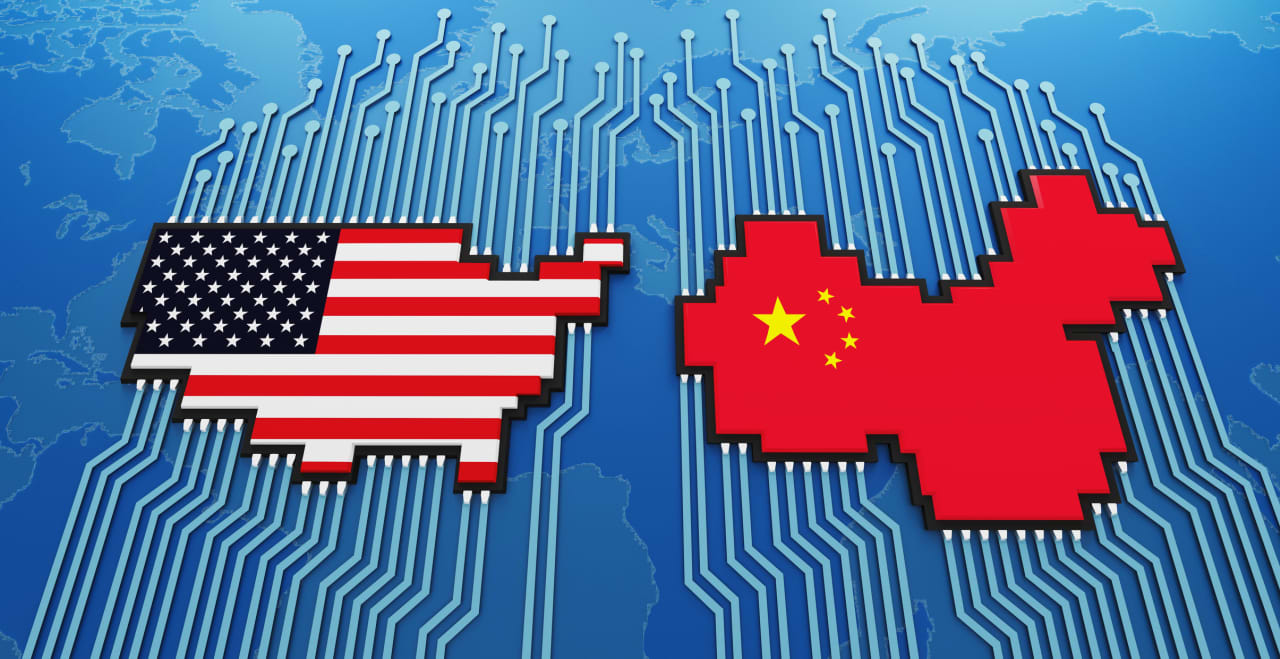
Chinese AI firm Moonshot AI has launched Kimi K3, an advanced large language model now rivaling top Western models, indicating rapid progress in China's AI sector. This intensifies global competition in AI development, with economic implications for market leadership, R&D spending, and intellectual property.
Moonshot AI, a Beijing-based artificial intelligence startup, has launched Kimi K3, a new large language model that is quickly garnering attention for its performance. Industry observers note Kimi K3's capabilities are nearing those of leading Western models from companies like Anthropic and OpenAI, suggesting a rapid advancement in China's AI sector.
The emergence of Kimi K3 underscores the escalating global competition in AI development. This competitive landscape is characterized by significant capital investment and intense R&D efforts aimed at developing foundational AI technologies. For businesses, the proliferation of advanced AI models, regardless of their origin, presents opportunities for increased productivity, innovation, and potentially lower costs for AI services as competition drives down prices.
However, the intensifying race also carries economic implications for market leadership and national competitiveness. The ability of Chinese firms to develop cutting-edge AI models challenges the perceived dominance of Silicon Valley and could reshape future supply chains and intellectual property landscapes. This development may prompt increased R&D spending among established players and encourage strategic partnerships or acquisitions to maintain competitive edge. Furthermore, government policies surrounding AI development, data access, and intellectual property protection are likely to intensify as nations vie for technological supremacy, influencing trade relations and investment flows in the technology sector.
Analyst's Take
The emergence of Kimi K3, while not yet a direct threat to immediate market share for established players, signals an accelerating bifurcation in AI intellectual property development. This will likely trigger a renewed focus on domestic AI investment within Western economies, potentially leading to increased government subsidies or regulatory frameworks designed to protect or promote local AI ecosystems rather than fostering open international collaboration. The long-term implications for global AI governance and standards, currently nascent, are now firmly in play as national interests solidify.


