MacroBBC BusinessMay 17, 2026· 1 min read
HS2 Review Cites Design Flaws and Political Interference for Cost Overruns
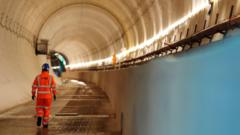
A new review of the HS2 high-speed rail project blames its escalating costs and challenges on inherent technical design flaws and inconsistent political priorities. The report suggests initial project 'sins' and shifting government demands have severely impacted the project's financial viability and execution.
A recent review into the UK's High Speed 2 (HS2) rail project has attributed its escalating costs and operational challenges to fundamental design flaws, shifting political priorities, and persistent political pressure. The report highlights that the initial technical design of the ambitious infrastructure project was a significant 'original sin,' contributing to subsequent difficulties and expenditure increases. This foundational issue was compounded by a lack of consistent political direction, as successive administrations altered project scopes and objectives, leading to inefficiencies and further cost inflation.
The economic implications of these findings are substantial. The HS2 project, envisioned to connect London to major cities in the North, has seen its budget swell dramatically from an initial estimate, placing considerable strain on public finances. The report implicitly suggests that a more robust initial feasibility study and clearer, more stable political mandates could have mitigated these financial pressures. The ongoing expenditure on a project plagued by these issues diverts capital that could otherwise be allocated to other critical infrastructure improvements or public services, potentially impacting broader economic productivity and regional development initiatives.
Furthermore, the review underscores the challenges of long-term infrastructure planning in a dynamic political environment. The 'high-speed focus,' while technologically appealing, appears to have overshadowed practical considerations regarding cost-effectiveness and deliverability. The continuous adjustments to the project scope and specification in response to political shifts have resulted in substantial delays and increased procurement costs, ultimately diminishing the project's potential return on investment for taxpayers. These insights will likely influence future large-scale government infrastructure undertakings, emphasizing the need for stricter budgetary controls, technical foresight, and political consensus from project inception.
Analyst's Take
The HS2 review's implications extend beyond direct project costs, signaling potential tightening of UK government capital expenditure on new, large-scale projects as fiscal headroom narrows. This could indirectly curb demand in the construction sector and related industries, especially those reliant on public infrastructure contracts, potentially leading to a broader economic drag not yet fully priced into forward-looking growth forecasts for the next 12-18 months.

