MacroBBC BusinessMay 13, 2026· 1 min read
Middle East Tensions Poised to Drive Up European Airfares
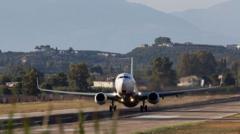
Geopolitical tensions involving the US, Israel, and Iran are expected to drive up European airfares due to persistently high oil prices. This increase in jet fuel costs will lead airlines to pass on expenses to consumers, potentially impacting the post-pandemic recovery of the European aviation sector.
The ongoing geopolitical tensions in the Middle East, particularly the conflict involving the US, Israel, and Iran, are anticipated to translate into higher air travel costs across Europe. Industry leaders indicate that sustained elevated oil prices, a direct consequence of the regional instability, will inevitably lead to increased operational expenses for airlines.
Jet fuel, a significant component of airline operating costs, is directly correlated with crude oil prices. As crude benchmarks react to supply concerns and heightened risk premiums stemming from the Middle East, the cost of powering aircraft rises. Airlines typically absorb some of these fluctuations in the short term but eventually pass on significant and sustained cost increases to consumers through fare adjustments, fuel surcharges, or a combination thereof.
This development poses a potential headwind for the European aviation sector, which has been in a recovery phase following the global pandemic. While consumer demand for travel remains robust, higher fares could temper this demand, particularly in price-sensitive segments. For airlines, the challenge will be to manage these increased costs without alienating travelers or sacrificing profitability. The industry will likely monitor crude oil price movements closely, with any sustained escalation or de-escalation directly impacting their forward pricing strategies and financial outlooks.
Analyst's Take
While immediately impacting consumer travel, the more significant, though perhaps less obvious, impact will be on regional tourism-dependent economies in Southern Europe, which rely heavily on accessible air travel. Furthermore, sustained higher fuel costs could accelerate airline consolidation within the EU as smaller, less capitalized carriers struggle with margins, potentially reducing competition and further entrenching dominant players within the next 12-18 months.

