TradeSCMP BusinessApr 27, 2026· 1 min read
Chinese Robotaxi Firms Leverage Cost Edge for Global Expansion
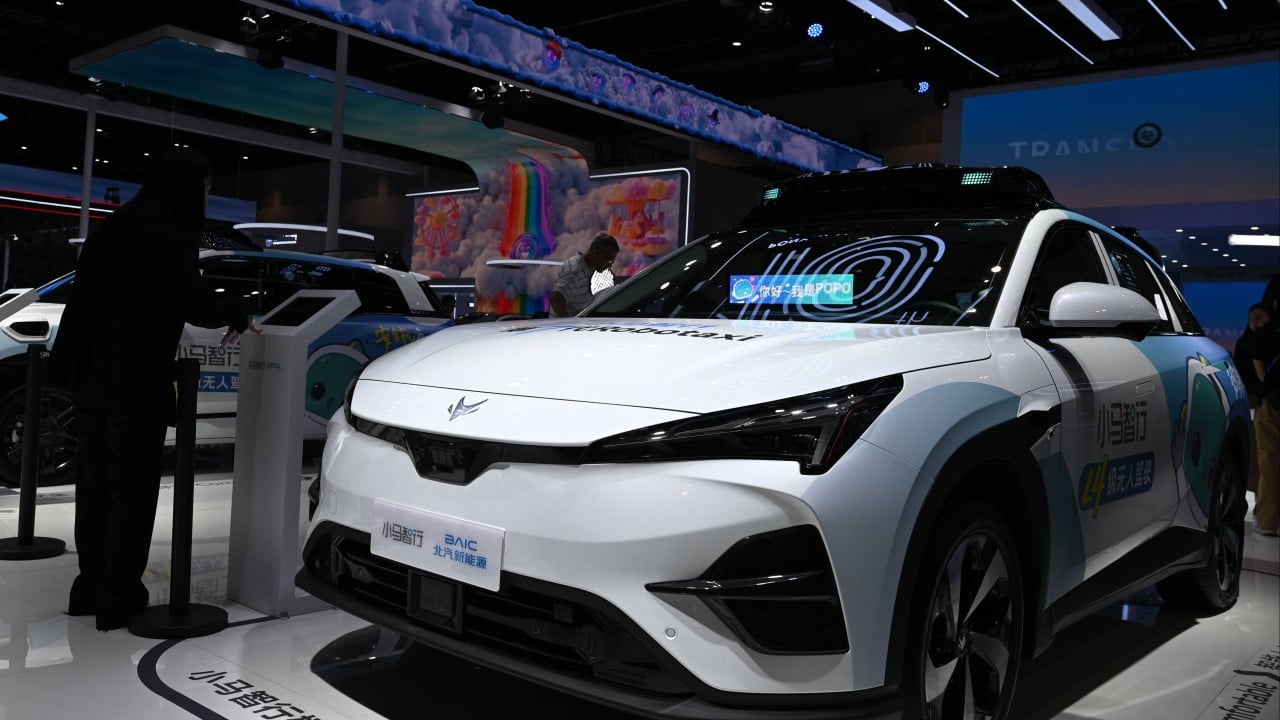
Chinese robotaxi firms like Pony.ai and WeRide are rapidly expanding their commercial fleets globally, leveraging a significant cost advantage derived from China's leading new energy vehicle (NEV) supply chain. This cost competitiveness, including total vehicle costs below US$33,700 for some models, is enabling faster international market penetration.
Chinese robotaxi companies, including prominent players like Pony.ai and WeRide, are accelerating the global deployment of their commercial autonomous vehicle fleets. This expansion is primarily driven by a significant cost advantage stemming from China's advanced new energy vehicle (NEV) supply chain and enhanced operational efficiencies.
Executives from these firms highlight that the robust Chinese NEV ecosystem has substantially reduced the total cost of their robotaxis. For instance, Pony.ai's upgraded seventh-generation robotaxi, encompassing the base vehicle, battery, and the comprehensive autonomous driving kit, now costs less than 230,000 yuan (approximately US$33,700). This price point positions Chinese-made robotaxis as a highly competitive option in the global market.
The cost efficiency is a critical factor enabling these companies to scale their operations internationally. By leveraging a domestic supply chain that offers lower manufacturing costs for electric vehicles and their components, Chinese firms can deploy autonomous fleets at a more attractive price point compared to their international counterparts. This cost leadership is expected to facilitate faster adoption and market penetration in various regions, potentially reshaping the competitive landscape of the global autonomous vehicle industry.
This strategic push for global market share underscores a broader trend of Chinese technology companies seeking to extend their influence beyond domestic borders. The autonomous driving sector, with its significant capital requirements and long development cycles, benefits immensely from economies of scale and cost optimization. The ability of Chinese robotaxi firms to offer more affordable solutions could accelerate the commercialization of autonomous driving technology worldwide, potentially disrupting traditional automotive and transportation sectors.
Analyst's Take
The global expansion of Chinese robotaxis, driven by cost, could exacerbate existing trade tensions, particularly as Western nations grapple with maintaining competitive domestic automotive industries. Beyond direct competition, this cost advantage could accelerate the commoditization of autonomous driving hardware and software, shifting value capture towards data and service layers rather than vehicle manufacturing itself.