MacroBBC BusinessMay 12, 2026· 1 min read
Former World Bank Chief Calls on China to Release Food, Fertilizer Reserves Amid Global Scarcity
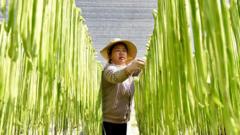
Former World Bank President David Malpass has urged China to cease hoarding food and fertilizer, arguing its stockpiles exacerbate global shortages and price inflation. Malpass also stated that China's claim to developing nation status is no longer credible, implying greater global economic responsibilities.
David Malpass, the former president of the World Bank, has publicly urged China to reduce its stockpiling of food and fertilizer, citing global shortages. Speaking at a recent event, Malpass highlighted the economic ramifications of China's extensive reserves, suggesting they exacerbate supply chain pressures and contribute to higher prices for these critical commodities worldwide.
China's substantial accumulation of food and fertilizer has been a growing point of contention as global supply chains remain fragile and inflationary pressures persist. Analysts have pointed to China's domestic food security policies as a key driver for these reserves, particularly in the wake of trade tensions and the COVID-19 pandemic. However, the scale of these holdings is now being framed as a significant factor in global commodity markets, impacting food security and agricultural input costs in numerous nations.
Malpass also challenged China's designation as a developing nation, asserting that this status is no longer credible given its economic scale and global influence. This critique implies that China should shoulder greater responsibilities in global economic governance, including contributing more actively to international supply stability rather than pursuing policies perceived as detrimental to global commodity flows. The re-evaluation of China's economic status could have implications for its access to preferential trade terms and development aid, potentially shifting its obligations within international financial institutions.
The call comes amidst ongoing concerns about global inflation, particularly in food and energy sectors, which disproportionately affect lower-income countries. Reduced access to affordable fertilizer, in particular, poses a threat to agricultural output in the upcoming planting seasons, potentially prolonging food price volatility and impacting global food security for an extended period.
Analyst's Take
While the immediate focus is on commodity prices, Malpass's comments subtly signal a brewing geopolitical pressure point concerning China's role in global resource management and its developing nation status. This narrative could be picked up by other international bodies, potentially leading to increased scrutiny of China's trade practices and its contributions to global economic stability, eventually impacting investment flows into emerging markets reliant on these commodities.

