TradeSCMP BusinessApr 29, 2026· 1 min read
China's AI Chipmakers Soar Amid Domestic Demand and US Export Controls
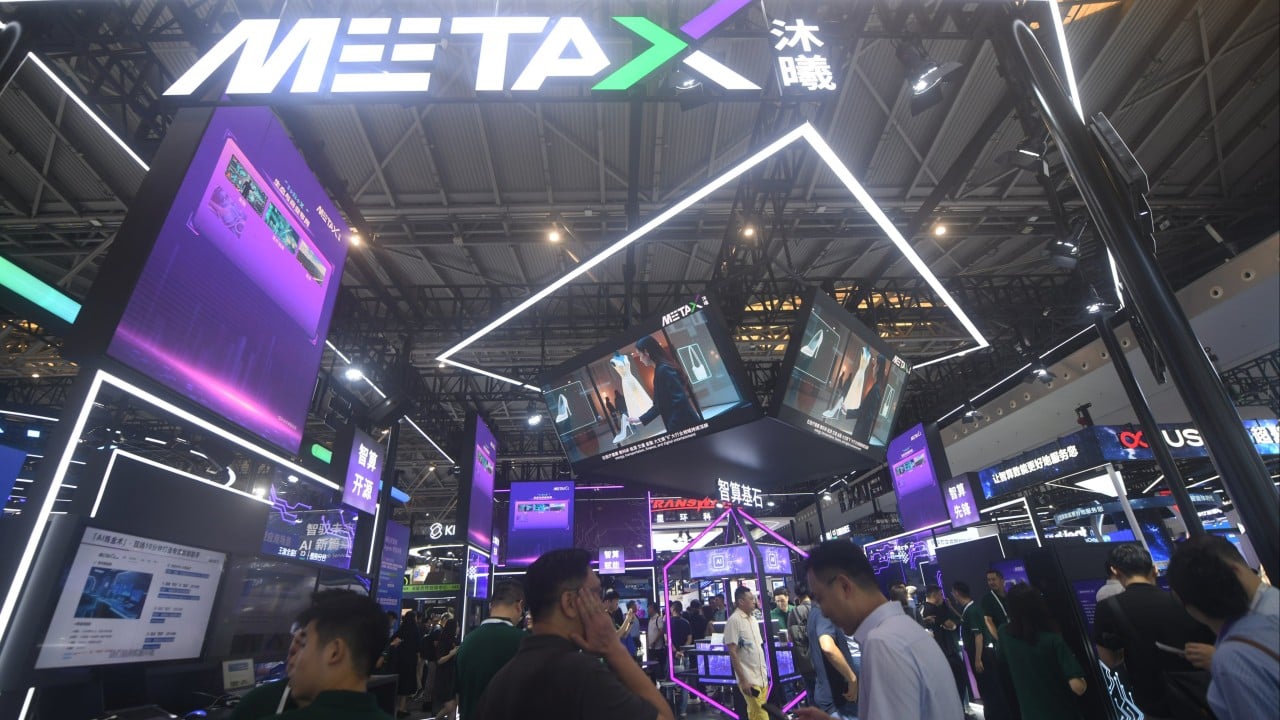
Chinese AI chip designers Cambricon Technologies and MetaX Integrated Circuits reported substantial Q1 growth, driven by domestic AI demand and US export controls. Cambricon's revenue jumped 160% and profit rose 185%, highlighting China's accelerating self-sufficiency in computing power.
Chinese chip designers Cambricon Technologies and MetaX Integrated Circuits have reported significant revenue and profit growth in the first quarter of 2024. This surge is attributed to the burgeoning artificial intelligence (AI) sector, ongoing US export restrictions, and China's strategic push for technological self-sufficiency in computing power.
Cambricon Technologies, a leading AI chip developer, saw its first-quarter revenue skyrocket by 160% year-on-year, reaching 2.89 billion yuan (approximately US$423 million). Concurrently, the company's profit experienced an even more dramatic increase, soaring by 185% to 1 billion yuan. While specific figures for MetaX were not detailed in the provided information, the general trend indicates a robust performance across the domestic AI chip industry.
The robust demand for local AI chips underscores the dual impact of rapid technological advancement within China and the geopolitical landscape. US export controls, designed to limit China's access to advanced semiconductor technology, have inadvertently stimulated domestic production and innovation. This has created a protective environment for local firms, allowing them to capture a larger share of the rapidly expanding Chinese AI market.
Furthermore, Beijing's long-standing policy of fostering self-reliance in critical technologies, particularly semiconductors, is clearly yielding tangible results. The financial performance of companies like Cambricon and MetaX suggests a growing capacity within China to meet its own high-performance computing needs, thereby reducing reliance on foreign suppliers and bolstering national technological sovereignty.
Analyst's Take
The continued outperformance of domestic AI chipmakers in China, while seemingly a direct consequence of US trade restrictions, also signals a potential future oversupply risk once the initial domestic capacity ramp-up matures. This could lead to margin compression for less differentiated players, potentially impacting long-term R&D investment for the broader industry as profitability pressures mount.