EnergyOilPrice.comMay 8, 2026· 1 min read
US Oil Rig Count Rises Amidst Production Shifts
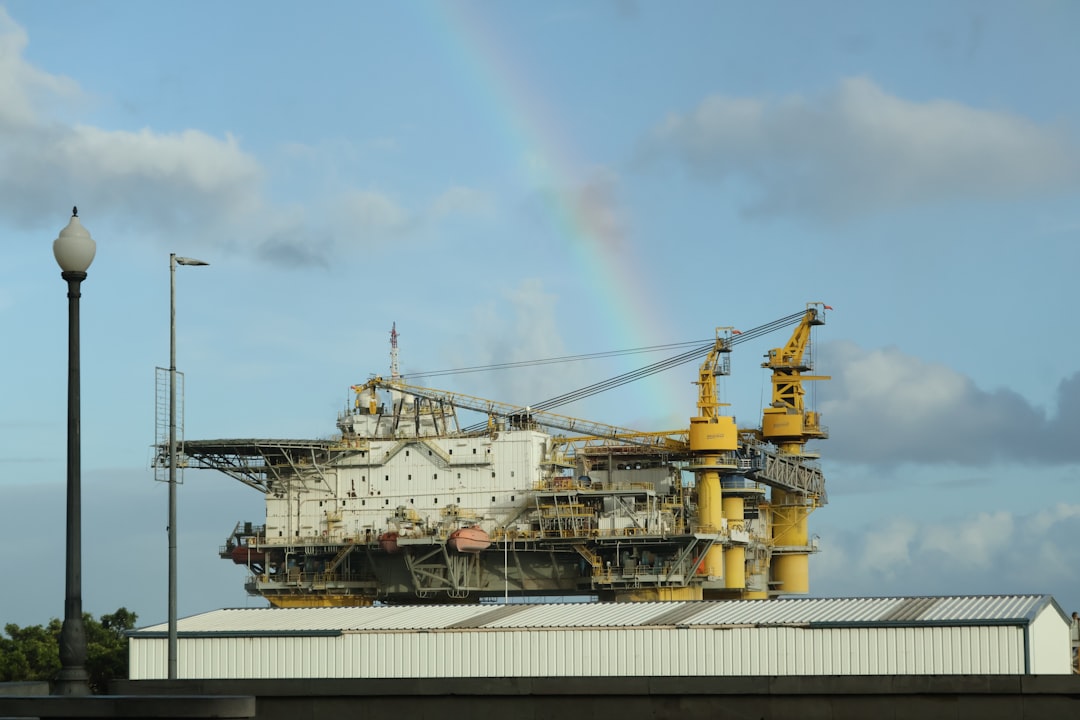
The total number of active US oil and gas drilling rigs rose slightly to 548 this week, though it remains below last year's level. Oil rigs increased by 2 to 410, while gas rigs decreased by 1 to 129, reflecting divergent year-over-year trends in drilling activity.
The total number of active oil and gas drilling rigs in the United States increased this week, reaching 548, according to Baker Hughes data released Friday. This figure remains 30 rigs below the count from the same period last year, indicating a net reduction in drilling activity over the past twelve months.
Specifically, the number of active oil rigs saw a modest increase of 2, bringing the total to 410. Despite this weekly rise, the current oil rig count is 57 lower than it was a year ago. Conversely, gas drilling operations experienced a slight decline, with the number of active gas rigs falling by 1 to 129. This represents a year-over-year increase of 21 gas rigs, suggesting a pivot towards natural gas extraction relative to the prior year.
The mixed rig count dynamics reflect ongoing adjustments within the US energy sector. While the overall rig count remains down year-on-year, the current weekly increase in oil rigs, albeit small, could signal a response to recent price movements or anticipated demand. The persistent year-over-year decline in oil rigs points to a more cautious approach to capital expenditure in the crude oil segment, potentially influenced by long-term energy transition goals or shareholder return pressures. Meanwhile, the consistent strength in gas rig numbers year-over-year highlights the robust demand for natural gas, potentially driven by LNG exports and domestic power generation needs. The latest EIA data, not fully detailed in the provided source, would offer further context on US production and inventory levels, which are critical for assessing the economic implications of these rig count shifts.
Analyst's Take
While a minor weekly uptick, the persistent year-over-year decline in oil rigs, contrasted with a rise in gas rigs, signals an ongoing capital reallocation within the US energy sector. This suggests that E&P companies are prioritizing natural gas projects, likely driven by strong LNG export economics and a more stable regulatory environment for gas, potentially overlooking a looming crude oil supply tightness if global demand rebounds more aggressively than anticipated.