EnergyChannel News Asia BusinessApr 28, 2026· 1 min read
Bangkok Faces Economic Heatwave: Climate Change Impact on Urban Growth
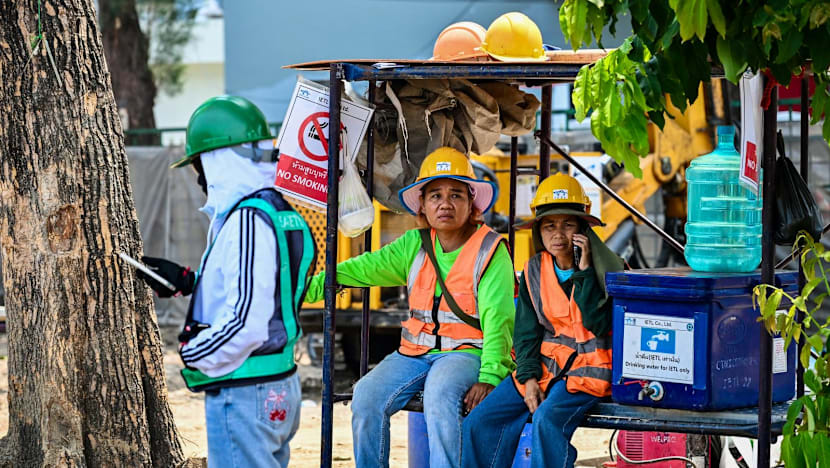
A study forecasts Bangkok will experience up to 120 extreme heat days annually by 2050, posing significant economic challenges for the Thai capital. This increase threatens labor productivity, strains energy grids and healthcare, and could impact vital sectors like tourism and manufacturing.
A recent study projects Bangkok could experience up to 120 days of extreme heat annually by 2050, highlighting significant economic implications for the Thai capital. This forecast suggests a substantial increase from current levels, posing challenges across various sectors.
The rising frequency of extreme heat days is expected to impact labor productivity, particularly in outdoor industries such as construction, agriculture, and tourism. Reduced working hours due to heat stress could lead to lower output and increased operational costs for businesses. Furthermore, public health infrastructure will likely face heightened demand, straining healthcare resources and potentially increasing healthcare expenditures for both the government and individuals.
Energy consumption, particularly for cooling, is anticipated to surge, placing additional strain on the national power grid and potentially driving up electricity prices for consumers and businesses. This could impact manufacturing costs and overall industrial competitiveness. The tourism sector, a cornerstone of Thailand's economy, may also suffer as sustained high temperatures could deter visitors, affecting hotel occupancy, retail spending, and related service industries.
While the study emphasizes the need for immediate action, potential mitigation strategies, such as investments in green infrastructure, urban planning adaptations, and enhanced public health initiatives, would require substantial capital allocation. The long-term economic prosperity of Bangkok hinges on proactive measures to adapt to these escalating climate challenges, safeguarding its workforce, critical infrastructure, and key economic drivers against the projected environmental shifts.
Analyst's Take
While the immediate focus is on Bangkok's local economy, the escalating heat stress could trigger a regional reallocation of foreign direct investment. Multinationals prioritizing operational stability and worker welfare might pivot towards less climate-vulnerable Southeast Asian cities, potentially impacting Thailand's long-term competitive positioning for high-value industries.