MacroBBC BusinessMay 14, 2026· 1 min read
US-China Trade Talks Yield No Deal Despite Diplomatic Overtures
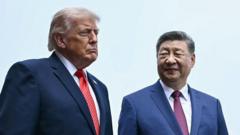
High-level talks between President Trump and President Xi Jinping in Beijing concluded without a major trade agreement. The outcome signals a continuation of the current US-China trade policy landscape, leaving existing tariffs and trade tensions largely unresolved.
President Trump and President Xi Jinping concluded their recent high-level talks in Beijing without achieving a breakthrough on major trade issues. Despite extensive diplomatic exchanges and ceremonial events, the highly anticipated discussions did not result in a new trade agreement or a significant resolution to ongoing trade disputes between the two economic giants. The outcome suggests a continuation of the current trade policy landscape, characterized by existing tariffs and ongoing negotiations, rather than an immediate de-escalation or comprehensive resolution.
The lack of a definitive agreement means that businesses operating in both the United States and China will likely continue to face the uncertainties associated with current trade policies. Industries heavily reliant on cross-border supply chains and exports between the two nations may need to maintain contingency plans for potential future tariff actions or trade friction. Economically, the absence of a deal removes a potential upside catalyst for global trade sentiment that some market participants might have anticipated. Conversely, it also prevents any immediate downside shock that a particularly adverse outcome might have generated.
While the meeting itself provided a platform for communication, the failure to secure a substantive trade deal reinforces the complex and entrenched nature of the economic disagreements between the two countries. Moving forward, the global economy will continue to monitor future engagements between Washington and Beijing for any signs of progress or further entrenchment of existing positions, particularly as both nations navigate domestic economic priorities and upcoming political cycles.
Analyst's Take
While the immediate market reaction to no deal is muted, the persistent lack of resolution subtly reinforces de-globalization narratives, driving longer-term supply chain diversification away from China, particularly in critical sectors. This slow-burn decoupling, often overlooked by short-term market focus, could manifest in increased capital expenditure in alternative manufacturing hubs over the next 18-24 months, potentially boosting certain emerging market economies and creating new investment opportunities in reshoring initiatives.

