EnergyOilPrice.comMay 5, 2026· 1 min read
Norway's Wealth Fund Faces Scrutiny Over Climate Vote Shift at Oil Majors
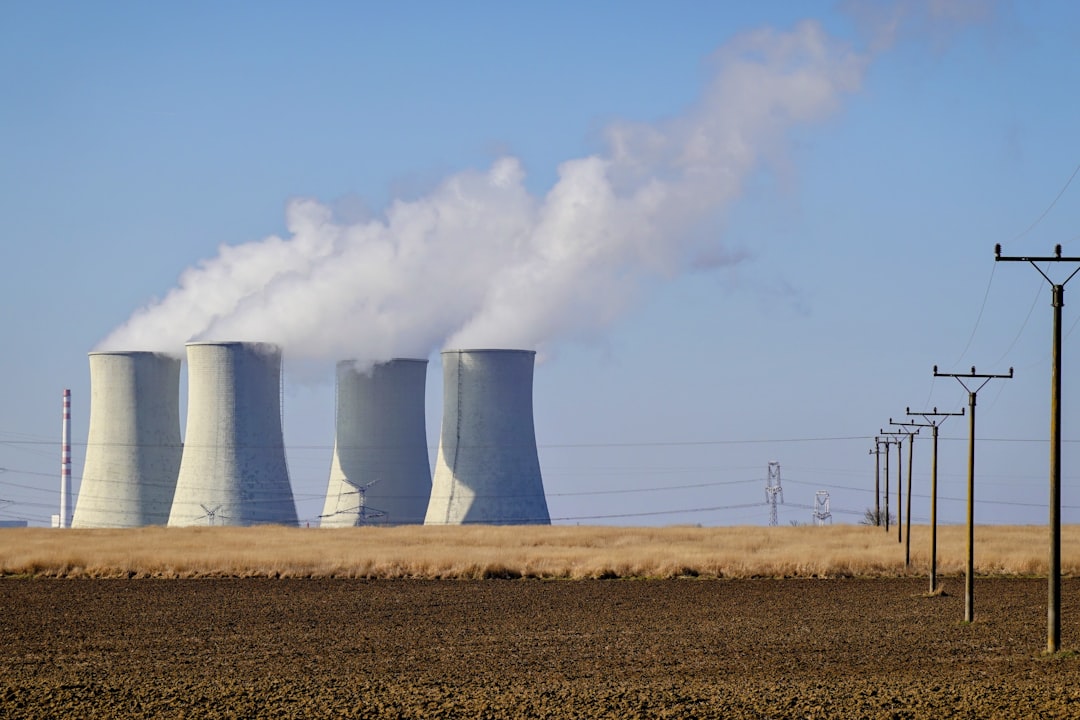
Norway's $2.2 trillion Government Pension Fund Global is reportedly scaling back its active climate voting engagement at major oil companies. This shift could impact shareholder pressure on the energy sector and signal a re-evaluation of climate advocacy among large institutional investors.
Norway's $2.2 trillion Government Pension Fund Global (GPFG), the world's largest sovereign wealth fund, is under scrutiny for reportedly scaling back its active voting engagement on climate-related proposals at major oil companies. A recent report from a climate advocacy group alleges that the fund, established with Norway's oil and gas revenues, has altered its approach, moving away from direct advocacy on environmental issues with firms in its extensive portfolio.
The GPFG holds an average 1.5% stake in global companies, including significant investments in the largest oil and gas producers. Its investment strategy and voting record carry substantial weight due to its sheer size and influence as a universal owner. The fund's historical stance has often involved advocating for better climate governance and reduced carbon emissions from its investee companies.
This reported shift could have several economic implications. For the oil and gas sector, it might be perceived as a reduction in shareholder pressure, potentially easing some of the financial and operational burdens associated with aggressive decarbonization targets. Conversely, for the broader ESG investment landscape, it could signal a more pragmatic or less interventionist approach from a leading institutional investor, potentially influencing how other large funds engage with climate risks.
The fund's mandate is to secure and build financial wealth for future generations, balancing returns with ethical guidelines. The reported change raises questions about the prioritization of financial returns versus climate stewardship within its investment framework, especially given its origins in fossil fuel wealth. The long-term economic impact will depend on whether this signals a broader trend among major institutional investors or remains an isolated adjustment by the Norwegian fund.
Analyst's Take
This reported pivot by the GPFG might precede a broader institutional investor re-evaluation of aggressive ESG activism, particularly concerning hard-to-abate sectors like oil and gas. While seemingly a retreat, it could reflect a strategic shift towards engagement via capital allocation rather than proxy battles, potentially leading to more capital flowing into companies demonstrating a credible, albeit slower, energy transition plan, even as bond yields for pure-play renewables remain compressed.