MacroBBC BusinessMay 7, 2026· 1 min read
Portugal and Italy Maintain Digital Border Checks for UK Travelers, Defying Expectations
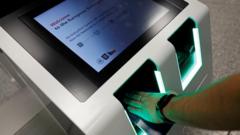
Portugal and Italy will not suspend digital border checks for UK nationals, contrary to prior reports. This decision maintains existing biometric scrutiny for British travelers entering these EU countries, aligning with established Schengen Area protocols.
Portugal and Italy have confirmed they will not suspend digital border checks for UK nationals, contradicting earlier reports suggesting they might follow Greece's lead. The decision by these two key European Union tourist destinations means British travelers will continue to undergo biometric scrutiny upon entry, a standard procedure for third-country nationals entering the Schengen Area.
Recent speculation had indicated that Portugal and Italy were considering a temporary reprieve from these digital checks, mirroring Greece's move to streamline entry for UK visitors. Greece effectively suspended certain biometric requirements for British citizens, a decision widely interpreted as a measure to facilitate tourism and ease congestion at border crossings, particularly during peak travel seasons.
However, officials in both Lisbon and Rome have clarified their stance, reiterating adherence to established Schengen border protocols. This maintenance of digital checks underscores a commitment to the EU's common external border policy, prioritizing security and data integrity over potential short-term tourism facilitation gains seen by some member states. For UK travelers, this means no change to current travel procedures when visiting Portugal and Italy, where digital verification remains a prerequisite for entry.
Economically, the decision has limited direct implications for the broader tourism sectors in Portugal and Italy, as it represents a continuation of existing policy rather than a new impediment. Any marginal impact on traveler convenience or potential queue times is unlikely to significantly alter tourism flows or revenue generation for these economies. The adherence to standard procedures also avoids setting a precedent for other EU nations to unilaterally adjust border controls, maintaining a more unified approach to external border management.
Analyst's Take
While seemingly a minor administrative decision, this refusal to relax border checks signals a stronger commitment to EU-wide border harmonization post-Brexit, potentially indicating a waning appetite among member states for ad-hoc bilateral agreements to ease travel. This could foreshadow further divergence in travel convenience for UK citizens compared to EU citizens, as the bloc consolidates its external border policies rather than bending to specific tourism demands from third countries.

