MacroBBC BusinessMay 12, 2026· 1 min read
Altman Testimony Reveals Musk's Past Attempts for OpenAI Control Amid Legal Dispute
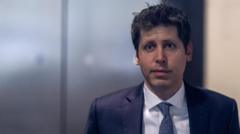
OpenAI CEO Sam Altman testified that Elon Musk repeatedly tried to gain full control of the AI firm, a disclosure made amidst Musk's ongoing lawsuit against OpenAI. The legal dispute has significant economic implications for OpenAI's valuation, commercial partnerships, and the broader AI industry's governance models.
In recent testimony to a jury, OpenAI CEO Sam Altman disclosed that Elon Musk repeatedly sought to gain complete control over the artificial intelligence research firm. This revelation comes amidst a legal battle initiated by Musk, who is suing OpenAI for allegedly abandoning its original non-profit mission in favor of commercial interests.
Altman's statements shed light on the historical power dynamics within OpenAI's early leadership. Musk, a co-founder of OpenAI, departed from its board in 2018. His current lawsuit alleges a breach of founding agreements, particularly regarding the development of artificial general intelligence (AGI) for the benefit of humanity rather than profit. The suit claims that OpenAI, now valued in the tens of billions, has deviated significantly from this initial objective by partnering with Microsoft and pursuing lucrative commercial ventures.
The economic implications of this legal dispute are significant for the burgeoning AI sector. A successful legal challenge by Musk could potentially disrupt OpenAI's operational structure, its valuation, and its commercial partnerships, particularly with Microsoft, which has invested billions into the company. The outcome could also set precedents for governance and mission adherence within other AI research organizations, particularly those with initial non-profit charters transitioning towards commercialization.
Conversely, if OpenAI prevails, it could solidify the current commercial model for advanced AI development, potentially encouraging more venture capital investment into similar enterprises. The legal proceedings are therefore being closely watched by investors, policymakers, and competitors, as they could influence future investment strategies, regulatory frameworks, and the ethical considerations surrounding AI development and commercialization globally.
Analyst's Take
While seemingly a corporate governance issue, this testimony underscores the deep ideological schism within AI development, potentially leading to regulatory fragmentation. Investors may begin to price in 'mission risk' for AI ventures with hybrid non-profit/for-profit structures, impacting future capital deployment in the sector beyond OpenAI. The timing of Musk's lawsuit, coinciding with peak AI investment fervor, suggests a strategic attempt to reassert influence or extract value from a market that has overlooked early governance ambiguities.

