MacroBBC BusinessMay 6, 2026· 1 min read
Modella Capital to Shutter 150 Former WHSmith Stores, Impacting High Street Retail
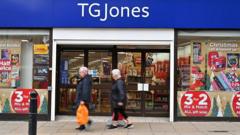
Modella Capital is closing up to 150 rebranded TGJones stores, formerly WHSmith high street locations, less than a year after acquisition. This move signals ongoing struggles for traditional UK high street retail and will contribute to job losses and increased commercial property vacancies.
Modella Capital, the private equity firm that acquired a portfolio of former WHSmith high street locations last year, has announced plans to close up to 150 of these rebranded TGJones stores. The closures represent a significant contraction in physical retail footprint previously associated with a prominent UK high street name. The decision follows Modella Capital's attempt to rejuvenate these sites under a new brand.
This move signals continued challenges for traditional high street retail in the UK, even for properties that have undergone rebranding and new ownership. The economic implications extend to potential job losses in the affected communities, though specific figures were not provided. Additionally, the closures will contribute to increased vacancy rates in already struggling town centers, potentially impacting commercial property values and local authority business rates revenues.
For Modella Capital, the closures indicate a strategic reassessment of the viability of these specific retail assets. While the initial acquisition aimed to leverage existing retail infrastructure, the rapid decision to shutter a substantial portion suggests that the turnaround strategy has not yielded expected results or that market conditions have deteriorated beyond initial projections. This could reflect broader consumer shifts towards online retail and out-of-town shopping centers, compounded by persistent inflationary pressures impacting discretionary spending.
The restructuring highlights the ongoing need for adaptive strategies within the retail sector. Property owners and local governments will likely face renewed pressure to find alternative uses for these now-vacant premises, ranging from residential conversions to community hubs, in an effort to mitigate the economic fallout.
Analyst's Take
The rapid closure of these stores, rebranded just last year, suggests a deeper structural issue beyond mere rebranding – likely an underestimation of the capital expenditure required for store revitalization versus projected returns, or a misreading of immediate post-pandemic high street footfall recovery. This could foreshadow further distressed asset sales in the UK retail property sector, particularly for secondary high street locations, creating opportunities for more agile, experience-driven retail concepts or non-retail property developers.

