EnergyChannel News Asia BusinessApr 27, 2026· 1 min read
North Korea-Russia Alliance Deepens Amid Ukraine War, Prompting Economic Shifts
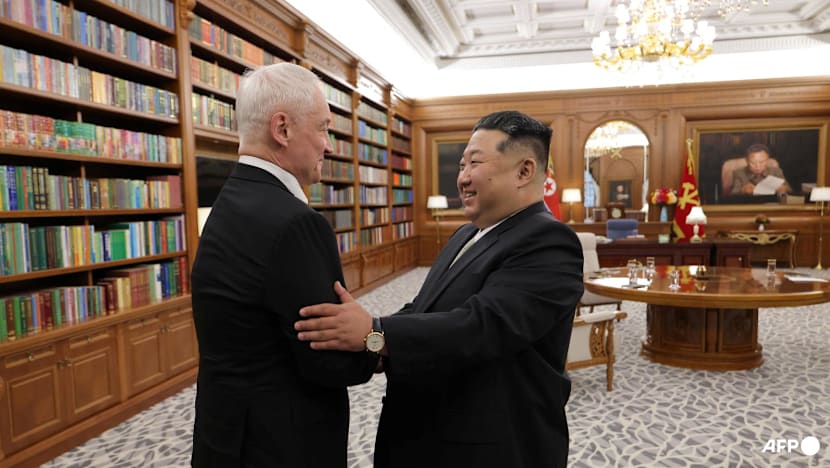
North Korea is supplying missiles and munitions to Russia for its war in Ukraine, while Russia reciprocates with financial aid, military technology, food, and energy. This reciprocal arrangement underpins a deepening economic and military alliance between the two isolated nations.
North Korean leader Kim Jong Un has reiterated his country's unwavering support for Russia's military actions in Ukraine. This reaffirmation comes amidst mounting evidence of a reciprocal arrangement between the two nations, impacting their respective economies and global supply chains.
Analysts indicate that North Korea has been a significant supplier of military hardware to Russia, including missiles, artillery munitions, and reportedly, thousands of troops. This direct military aid serves to bolster Russia's capabilities in the ongoing conflict, potentially prolonging its duration and increasing its economic cost. For Russia, this influx of weaponry from a non-traditional source helps to circumvent international sanctions and maintain its military-industrial output.
In return, Moscow is reportedly providing critical resources to the diplomatically isolated North Korea. This includes financial aid, essential military technology, food supplies, and energy. The provision of military technology could significantly enhance North Korea's defense capabilities and accelerate its own weapons development programs, raising regional security concerns. The inflow of food and energy addresses pressing internal economic vulnerabilities for North Korea, potentially alleviating domestic pressures that have historically constrained its foreign policy.
This evolving partnership carries several economic implications. For Russia, it secures a reliable, albeit unconventional, supply line for military hardware, mitigating the impact of Western sanctions on its defense sector. For North Korea, the arrangement offers a lifeline, providing much-needed capital, technology, and basic commodities, thereby reducing the economic strain of international isolation. The exchange also highlights the formation of a counter-sanction economic bloc, challenging the efficacy of existing international punitive measures and potentially shifting global trade dynamics in specific sectors.
Analyst's Take
While the immediate focus is on military aid, the long-term economic implications for North Korea are significant, potentially leading to a more robust, albeit sanctioned, internal economy through technology transfers and resource inflows. The market may be underestimating the impact on specific commodity prices, particularly energy and grains, as Russia diverts resources to fulfill these bilateral agreements, subtly altering supply-demand dynamics outside of conventional trading channels in the coming months.