MacroCNBC EconomyApr 30, 2026· 1 min read
Powell Faces Precedent: First Fed Chair-Emeritus Dynamic in Eight Decades
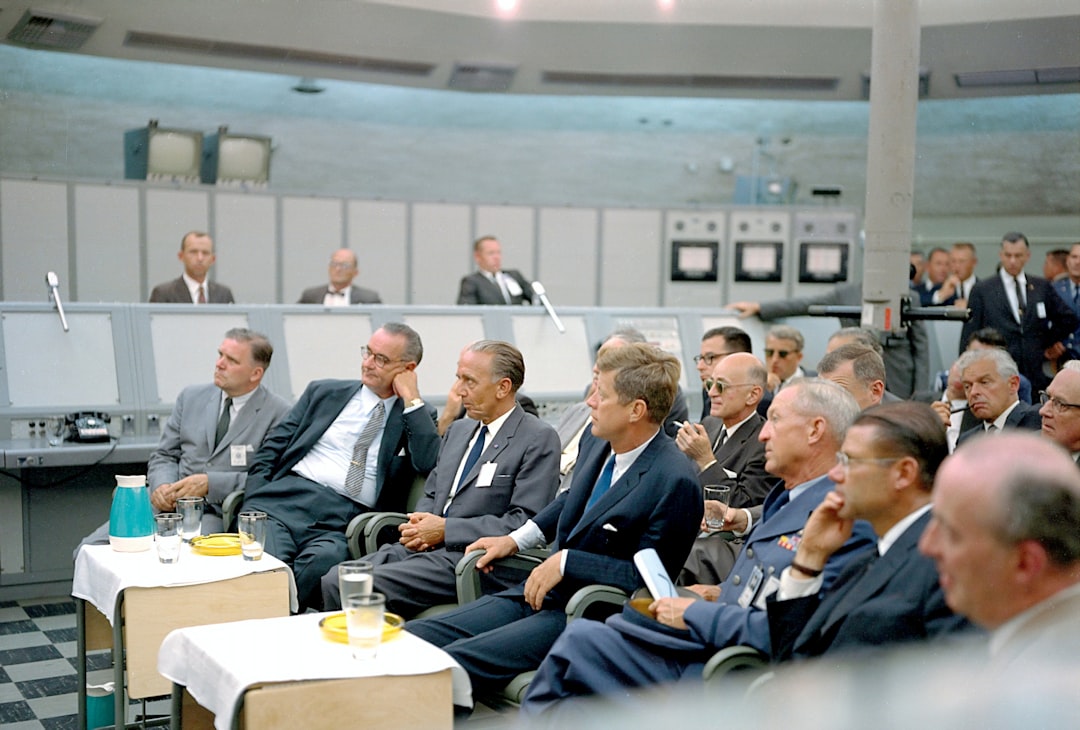
The Federal Reserve's next meeting will feature a sitting Chair Jerome Powell alongside former Chair Kevin Warsh, marking the first such occurrence in nearly 80 years. This unprecedented dynamic could introduce complexities into internal deliberations and potentially influence market expectations for monetary policy.
The upcoming Federal Reserve meeting will mark a significant historical juncture, as current Chair Jerome Powell presides alongside former Chair Kevin Warsh, who is rejoining the central bank in a different capacity. This will be the first instance of a sitting and former Fed chair conducting official business together in nearly 80 years, creating an unprecedented dynamic within the institution's leadership.
While the specifics of Warsh's new role and his voting status were not detailed in the original reporting, the presence of a past chairman, particularly one known for strong views on monetary policy, introduces a novel element to the Fed's decision-making process. The Federal Reserve's structure typically emphasizes the autonomy of the sitting chair and the consensus-driven nature of its committees. The integration of a former chair, especially one with a distinct policy philosophy, could potentially influence internal deliberations and public perceptions of unity.
From an economic perspective, any perceived divergence or strong intellectual clash could impact market expectations regarding future monetary policy. Investor sentiment often relies on clear communication and a consistent policy stance from the Fed. While Powell has affirmed his commitment to independent leadership, the historical precedent suggests a delicate balance will be required to maintain clarity and avoid signals that might be misconstrued by markets as internal discord or a struggle for influence over the central bank's direction. The focus will be on how this unique arrangement affects policy communication and the internal dynamics shaping interest rate decisions, quantitative easing, and other critical monetary tools.
Analyst's Take
While not directly impacting policy decisions, the optics of a former chairman's active involvement could subtly shift the perceived independence of the sitting chair. This may lead to increased scrutiny from market participants, looking for any signs of internal friction that could create policy uncertainty, potentially manifesting as increased volatility in interest rate sensitive assets over the medium term.

