MacroBBC BusinessMay 19, 2026· 1 min read
HS2 Project Faces Slower Speeds, Soaring Costs Amid Latest 'Reset'
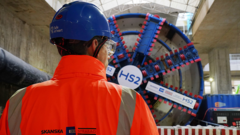
The UK's HS2 rail project faces new cost estimates potentially reaching £102.7 billion and will operate at slower speeds than originally planned. This 'reset' highlights persistent challenges in managing the major infrastructure initiative, prompting renewed scrutiny over fiscal efficiency and project delivery.
The High-Speed 2 (HS2) rail project, a significant infrastructure undertaking in the UK, is undergoing a substantial 'reset' that reveals a new cost range and reduced operational speeds. The estimated cost for the scaled-back project could now reach £102.7 billion, a considerable escalation from earlier projections. Furthermore, the operational speed of the trains will be slower than initially planned, impacting the project's original value proposition of high-speed connectivity.
This latest announcement follows a series of delays, budget overruns, and significant curtailments to the project's scope. The 'reset' essentially acknowledges the persistent challenges in managing the ambitious infrastructure development, which has been a prominent feature of the UK government's long-term economic strategy. The project's original aim was to improve connectivity between major cities, stimulate regional economic growth, and alleviate pressure on existing rail networks.
The cost revisions raise further questions about public infrastructure spending efficiency and the economic viability of large-scale projects prone to scope creep and unforeseen expenditures. The reduction in anticipated train speeds also directly affects the project's return on investment by diminishing the time-saving benefits for passengers, potentially impacting ridership projections and the broader economic benefits often cited for such investments. This development will likely fuel ongoing debates about resource allocation, fiscal responsibility, and the delivery of mega-projects within the UK's economic landscape.
Analyst's Take
The repeated cost escalations and scope reductions for HS2 could signal a broader re-evaluation of public funding models for large-scale, long-duration infrastructure projects in the UK. This might lead to a shift towards smaller, more incremental investments with clearer and faster returns, potentially influencing capital allocation across the construction and engineering sectors and dampening investor appetite for UK infrastructure bonds until a more stable project delivery framework emerges.

