TradeSCMP BusinessApr 29, 2026· 1 min read
Chinese EV Giants BYD, Geely Leverage Exports Amid Domestic Price Wars
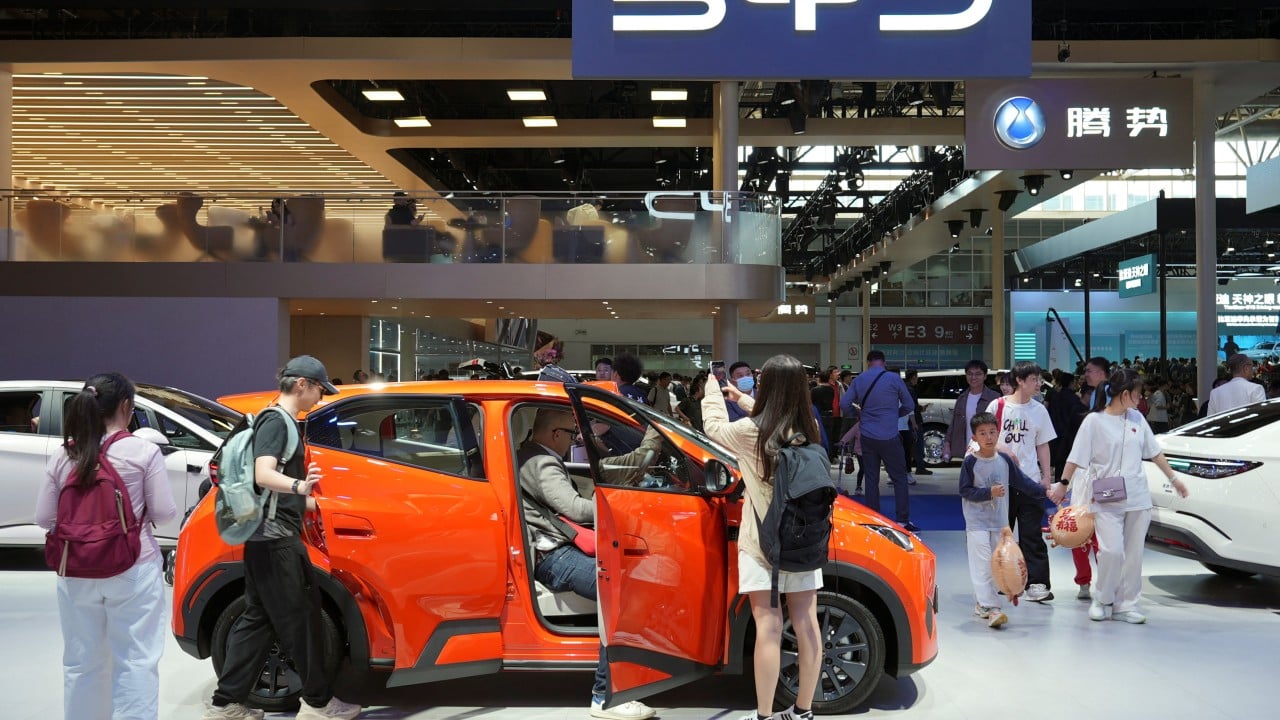
Chinese EV makers BYD and Geely Auto saw stock gains despite profit declines, driven by strong export performance offsetting fierce domestic price competition. This highlights a strategic pivot towards international markets to maintain growth and profitability.
Chinese electric vehicle (EV) manufacturers BYD and Geely Auto saw their Hong Kong-listed shares rise on Wednesday, as robust international demand for their vehicles mitigated investor concerns over intensifying domestic price competition. This export-driven growth provided a crucial buffer against declining first-quarter profits for both companies.
BYD, the world's largest EV producer, experienced a 4.4% stock increase despite reporting a 55% year-on-year decrease in first-quarter net income, reaching 4.09 billion yuan (US$590 million). This marks its lowest quarterly profit in three years. Similarly, Geely Auto's shares climbed 2.6%, even after the company announced a 27% decline in earnings, totaling 4.2 billion yuan.
The divergence between declining domestic profitability and positive stock performance underscores the increasing strategic importance of overseas markets for Chinese EV manufacturers. As the domestic market experiences aggressive price wars, squeezing profit margins, global demand for affordable and technologically advanced EVs offers a vital avenue for sustained revenue growth and operational scaling. This shift indicates a broader trend among Chinese automotive players to diversify revenue streams and establish a stronger international presence, thereby reducing vulnerability to cyclical domestic market pressures.
Analyst's Take
While exports provide a crucial lifeline, the sustained erosion of domestic profitability signals potential long-term capital expenditure challenges for Chinese EV firms. Should global protectionist measures accelerate, these companies may face a double squeeze, impacting R&D and expansion plans faster than currently priced into their valuations.