MacroThe Guardian EconomicsApr 29, 2026· 1 min read
Powell to Remain on Fed Board Post-Chairmanship, Signaling Continuity Amid Rate Stasis
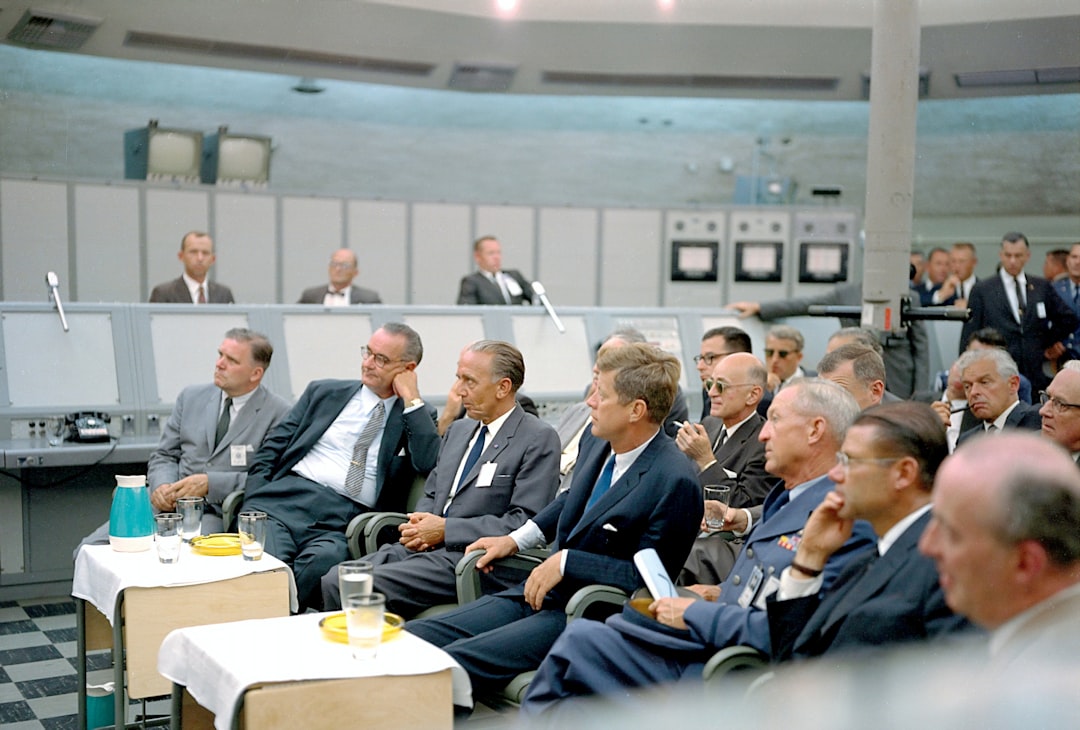
Federal Reserve Chair Jerome Powell will remain on the Board of Governors after his chairmanship concludes in May, following the Fed's decision to hold interest rates steady for the third time this year. This move signals continuity and reinforces the central bank's independence from political pressure regarding monetary policy.
Jerome Powell, current Chair of the US Federal Reserve, has announced his intention to remain on the central bank's Board of Governors after his term as Chair concludes in May. This decision follows the Federal Open Market Committee's (FOMC) recent unanimous vote to maintain the federal funds rate at its current level for the third consecutive meeting, defying calls for rate reductions from former President Donald Trump.
Powell's continuation on the Board is notable, particularly after prior indications he might exit following an inquiry related to building renovations. His decision implies a degree of institutional stability and a commitment to overseeing ongoing processes within the Fed. Economically, his extended presence provides a measure of continuity in monetary policy discourse, even as leadership transitions. The Fed's steadfastness in holding interest rates underscores a data-dependent approach to inflation management and economic growth, prioritizing stability over political pressure.
The central bank's consistent stance on interest rates, despite external demands, reinforces its independence and its dual mandate focus on maximum employment and price stability. Powell's decision to stay as a Governor, rather than depart entirely, suggests a desire to ensure a smooth transition and maintain institutional knowledge during a period of evolving economic conditions.
Analyst's Take
Powell's decision to remain on the board, initially unexpected, introduces a subtle dynamic of 'lame duck' influence and potential friction with a new Chair, which could introduce subtle uncertainty into FOMC communication and market interpretation of policy signals in the medium term. This extended tenure might also be a strategic move to guide the institution through upcoming balance sheet discussions, an area where his experience could prevent market overreactions to quantitative tightening adjustments.

