EnergyOilPrice.comMay 6, 2026· 1 min read
Asian Economies Grapple with Persian Gulf Oil Supply Shock
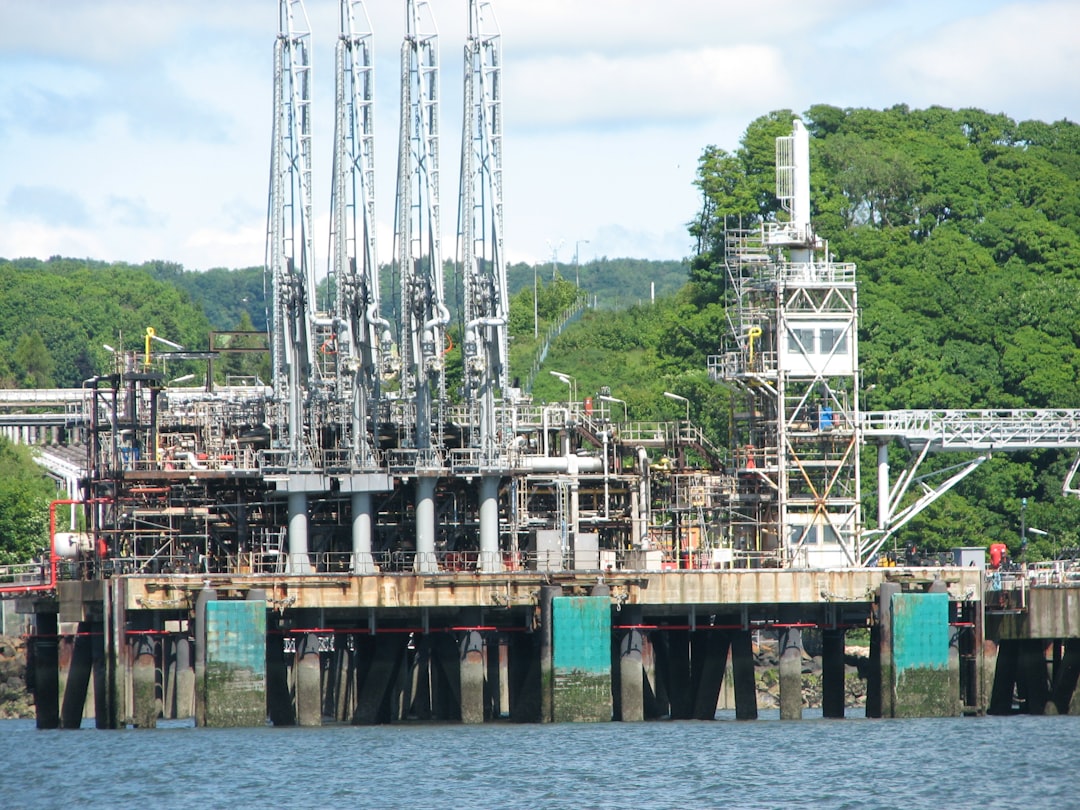
Asian economies are facing significant economic headwinds due to a 30% reduction in oil imports from the Persian Gulf, leading to stuttering growth and stagflationary pressures. The region's heavy reliance on these supplies has made it particularly vulnerable to the unprecedented supply shock.
Asian economies are experiencing the initial significant impacts of disruptions to oil and gas exports from the Persian Gulf. This supply shock is contributing to stuttering economic growth and a deteriorating outlook across the region, with some nations already facing stagflationary pressures.
Asia's substantial reliance on Persian Gulf nations, which supply 85% of its total oil imports, has rendered it acutely vulnerable to the current energy crisis. The materialized supply disruption, once considered an improbable event, is now manifesting in significant economic consequences for the region. Early indicators suggest a notable contraction in oil imports, with Asia importing 30% less oil from the Persian Gulf last month compared to previous periods.
This reduction in energy supply is translating into higher energy costs, impacting manufacturing output, transportation expenses, and consumer prices across the continent. Businesses are confronting increased operational costs, while households face elevated expenditures on fuel and goods. The ripple effect extends to trade balances, as countries allocate more capital to secure diminishing energy resources. Analysts anticipate a sustained period of economic deceleration if the supply disruptions persist, potentially exacerbating inflationary pressures and dampening investment sentiment in the coming quarters.
Analyst's Take
While the immediate focus is on Asian GDP and inflation, the enduring energy shock could accelerate a strategic shift in global energy sourcing and infrastructure investment towards non-Persian Gulf suppliers, creating a long-term demand premium for diversified energy producers and potentially reshaping trade alliances over the next 12-18 months. Bond markets in affected Asian economies may signal further distress through yield spikes before equity markets fully price in the duration of this supply constraint.