MacroBBC BusinessMay 21, 2026· 1 min read
UK Chancellor's Summer Savings Drive Sidesteps Energy Bill Relief
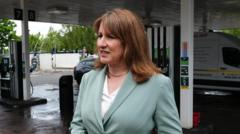
UK Shadow Chancellor Rachel Reeves unveiled a 'summer savings drive' to ease the cost of living for households. The announced measures notably exclude direct relief or interventions regarding energy bills.
UK Shadow Chancellor Rachel Reeves announced a suite of measures designed to alleviate the cost of living pressures facing British households. The proposals, part of a broader 'summer savings drive,' include initiatives aimed at reducing everyday expenses for consumers. However, a notable omission from the immediate package is any direct intervention or relief concerning rising energy bills.
The announcement comes as the UK continues to grapple with persistent inflationary pressures and a cost-of-living crisis that has disproportionately impacted household budgets. The focus on 'savings' implies a strategy centered on empowering consumers through various economic adjustments rather than direct subsidies or price caps on essential utilities like energy. While the specifics of the 'savings drive' were not fully detailed in initial reports, the absence of energy bill support signals a particular strategic choice by the opposition.
Economically, this approach suggests an intent to address embedded costs within the consumer economy, potentially through regulatory changes, competitive market interventions, or targeted consumer advice programs. The decision not to tackle energy costs directly at this juncture could indicate a belief that market dynamics or existing government mechanisms are sufficient, or perhaps a strategic deferral until a more comprehensive energy policy can be formulated. The omission also highlights the ongoing debate within UK economic policy circles regarding the most effective methods to combat inflation and support household finances.
Analyst's Take
The explicit exclusion of energy bill relief from the Shadow Chancellor's 'savings drive' signals a potential political calculation to distance the opposition from previous government interventions that proved costly or ineffective. This strategic silence on energy now could be setting the stage for a more robust, and potentially market-disrupting, energy policy platform closer to an election, once the immediate political heat on energy prices has subsided or existing government support schemes expire.

