MacroBBC BusinessMay 21, 2026· 1 min read
EasyJet Confident Amid Geopolitical Uncertainty, No Jet Fuel Shortages Expected
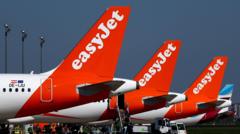
EasyJet asserts its summer flights will not be affected by jet fuel shortages, reporting no issues with fuel availability. However, the airline notes a trend of later bookings by consumers, attributing this to uncertainty stemming from the Iran conflict.
EasyJet, a prominent European low-cost carrier, has stated that its summer flight schedule will not be impacted by jet fuel shortages. The airline's management reports no current issues with fuel availability across its network, dismissing concerns that global energy supply chain disruptions could affect its operations during the critical summer travel season. This assessment provides a degree of stability for the travel sector, particularly as other industries grapple with commodity price volatility and supply chain vulnerabilities.
Despite the clear fuel outlook, EasyJet notes a shift in consumer booking patterns. The airline attributes this change to heightened geopolitical uncertainty, specifically citing the conflict in Iran. Consumers are observed to be booking flights later than in previous periods, indicating a more cautious approach to travel planning. This trend suggests that while physical supply chain constraints may not be directly impacting EasyJet, broader macroeconomic and geopolitical anxieties are influencing consumer behavior and demand dynamics within the airline industry. The company's ability to maintain a robust flight schedule without fuel disruptions is a positive signal for operational resilience, yet the observed shift in booking behavior highlights the ongoing sensitivity of discretionary spending to external events.
Analyst's Take
While EasyJet's fuel certainty is a short-term operational relief, the shift to later bookings driven by geopolitical anxiety signals broader consumer discretionary spending caution. This could translate into lower yield management opportunities for airlines and potentially softer forward guidance across the leisure sector, even for companies not directly exposed to energy price hikes.

