EnergyOilPrice.comMay 4, 2026· 1 min read
U.S. Navy Operation Challenges Iran's Hormuz Influence Amidst Conflict
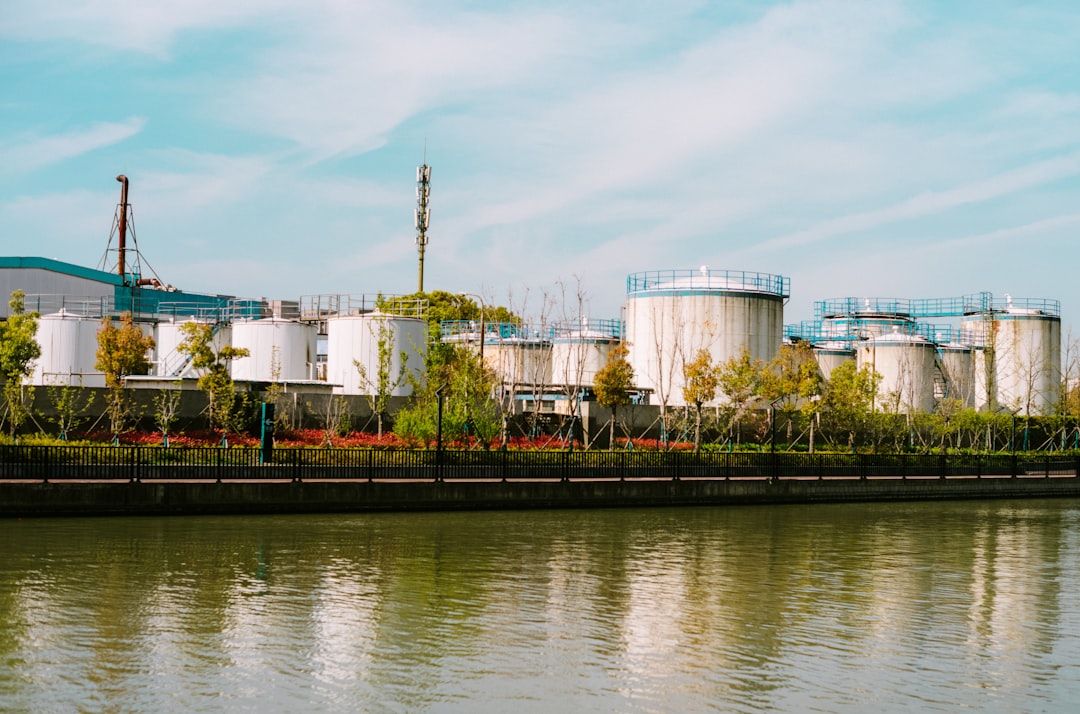
The U.S. Navy has launched 'Project Freedom' in the Strait of Hormuz, using guided-missile destroyers to escort commercial vessels and challenge Iran's control over the critical oil shipping lane. This operation aims to ensure the unimpeded flow of global energy trade and mitigate potential supply chain disruptions amidst ongoing conflict.
In a significant development two months into the conflict with Iran, the U.S. Navy has initiated 'Project Freedom,' an operation designed to challenge Tehran's asserted control over the Strait of Hormuz. On Monday, U.S. guided-missile destroyers entered the strategic waterway, facilitating the transit of U.S.-flagged commercial vessels. This marks the first time American merchant ships have successfully navigated the strait since the beginning of hostilities.
The Strait of Hormuz is a critical choke point, through which approximately one-fifth of the world's total petroleum liquids and a substantial portion of global liquefied natural gas (LNG) transits daily. Iran's historical threats to close the strait, often in response to international sanctions or perceived aggression, have consistently introduced volatility into global energy markets.
'Project Freedom' aims to provide escort and guidance for commercial shipping, particularly those vessels reportedly stranded or hesitant to navigate the Gulf due to heightened regional tensions. The U.S. Central Command confirmed the successful transit of two American commercial ships under naval escort in the Arabian Gulf. This operation directly confronts Iran's claims of maritime dominance in the region and seeks to ensure the unimpeded flow of international commerce, particularly energy shipments.
The economic implications are considerable. Sustained disruption to shipping through Hormuz could trigger a sharp increase in oil and gas prices, impacting global inflation, manufacturing costs, and consumer spending. By actively asserting freedom of navigation, the U.S. intends to mitigate supply chain risks and stabilize energy commodity markets. However, the military presence also elevates the risk of direct confrontation, which could negate these stabilizing efforts and provoke a more severe market reaction.
Analyst's Take
While the immediate market reaction focuses on reduced shipping risk premiums, the long-term economic implication lies in the implicit shifting of energy supply chain insurance costs. Maritime insurers are likely to eventually price in lower explicit risk for Hormuz transits, but the underlying geopolitical tension will persist, potentially manifesting in higher long-term defense spending by importing nations or a sustained premium on alternative energy sources and diversified supply routes. The key signal to watch will be shifts in forward crude contracts versus spot prices, indicating whether markets perceive a lasting de-escalation or merely a temporary tactical advantage.