MacroBBC BusinessApr 29, 2026· 1 min read
UAE's Potential OPEC Exit: A Shift in Global Oil Dynamics
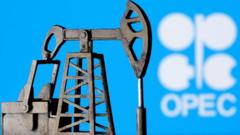
The United Arab Emirates is reportedly considering leaving OPEC, a move that would reduce the cartel's collective output and potentially weaken its influence on global oil prices. This shift could lead to increased market volatility and grant the UAE greater autonomy over its production policies.
The United Arab Emirates (UAE) is reportedly considering an exit from the Organization of the Petroleum Exporting Countries (OPEC), a move that could significantly alter the global oil market landscape and OPEC's long-standing influence. While the BBC's analysis primarily focuses on charting potential impacts, the underlying economic implications are substantial.
The UAE is a significant oil producer, consistently ranking among the top global exporters. Its departure would reduce OPEC's collective output capacity and market share, potentially weakening the cartel's ability to coordinate production cuts or increases effectively. This could lead to increased price volatility as the market adjusts to a less cohesive supply management structure. For the UAE, such a move could grant greater autonomy over its production policies, allowing it to pursue its own national economic interests without being constrained by OPEC quotas. This might involve expanding production to capture market share, potentially putting downward pressure on prices in the short to medium term.
Economically, a UAE exit could foster a more fragmented global oil supply environment. Other non-OPEC producers might increase their market influence, and the dynamics of oil price formation could shift towards individual producer decisions rather than cartel agreements. This could have diverse effects on consuming nations, potentially leading to lower prices if the UAE opts for increased output, but also introducing greater uncertainty regarding future supply stability. Investors would need to recalibrate risk assessments for oil futures and related energy assets, considering the potential for more independent action from major producers.
Analyst's Take
The market may be overlooking the timing of a potential UAE exit and its implications for sovereign wealth fund deployment. A unilateral increase in production by the UAE post-OPEC could be a strategic move to fund diversification away from oil, rather than solely a bid for market share, which could signal a longer-term shift in global energy investment flows impacting equity valuations in renewable and tech sectors.

