EnergyChannel News Asia BusinessApr 24, 2026· 1 min read
Japan Lifts Arms Export Ban: Economic Implications for Global Defense
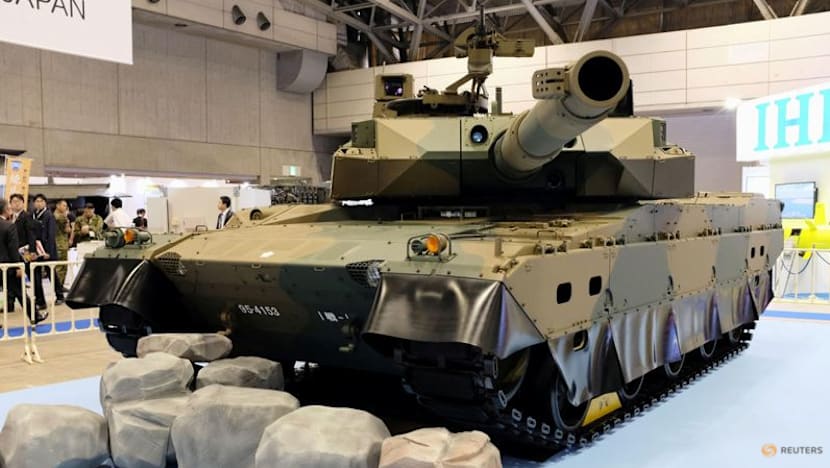
Japan has lifted its ban on arms exports, allowing the nation's advanced manufacturing sector to enter the global defense market. This move could stimulate economic growth and export revenue for Japan while potentially increasing competition and diversifying supply chains in the international arms industry.
Japan has lifted its long-standing ban on arms exports, a move with potentially significant economic implications for both Japan's industrial base and the global defense market. The revision of the nation's defense equipment transfer guidelines allows for the export of jointly developed weaponry to third countries, initially focusing on a next-generation fighter jet project with the UK and Italy.
Economically, this policy shift opens a new sector for Japan's advanced manufacturing capabilities. Historically restricted to domestic defense procurement, Japanese industries, renowned for precision engineering and high-quality production, can now compete in the international arms market. This could stimulate growth in related sectors, potentially leading to job creation and increased export revenue, diversifying Japan's economic base beyond its traditional automotive and electronics exports.
The initial focus on the joint fighter jet project suggests a strategic, rather than a broad, immediate expansion into arms exports. This measured approach aims to leverage existing international partnerships, ensuring interoperability and shared development costs. For Japan, participating in such multi-national projects not only spreads the financial burden of advanced defense research and development but also ensures access to cutting-edge military technology that might otherwise be cost-prohibitive to develop independently.
From a global economic perspective, Japan's entry as a major defense exporter could intensify competition within the arms industry. While the immediate impact may be limited to specific high-tech collaborations, a more expansive export strategy in the future could alter market dynamics, potentially offering new supply chains and technological alternatives to existing defense procurers. The success of this new policy will largely depend on the willingness of Japanese firms to navigate the complexities of international arms sales and the sustained commitment of the Japanese government to fostering this nascent export industry.