MacroThe Guardian EconomicsMay 11, 2026· 1 min read
Geopolitical Tensions Drive Oil Prices Higher Amidst Mideast Rejection
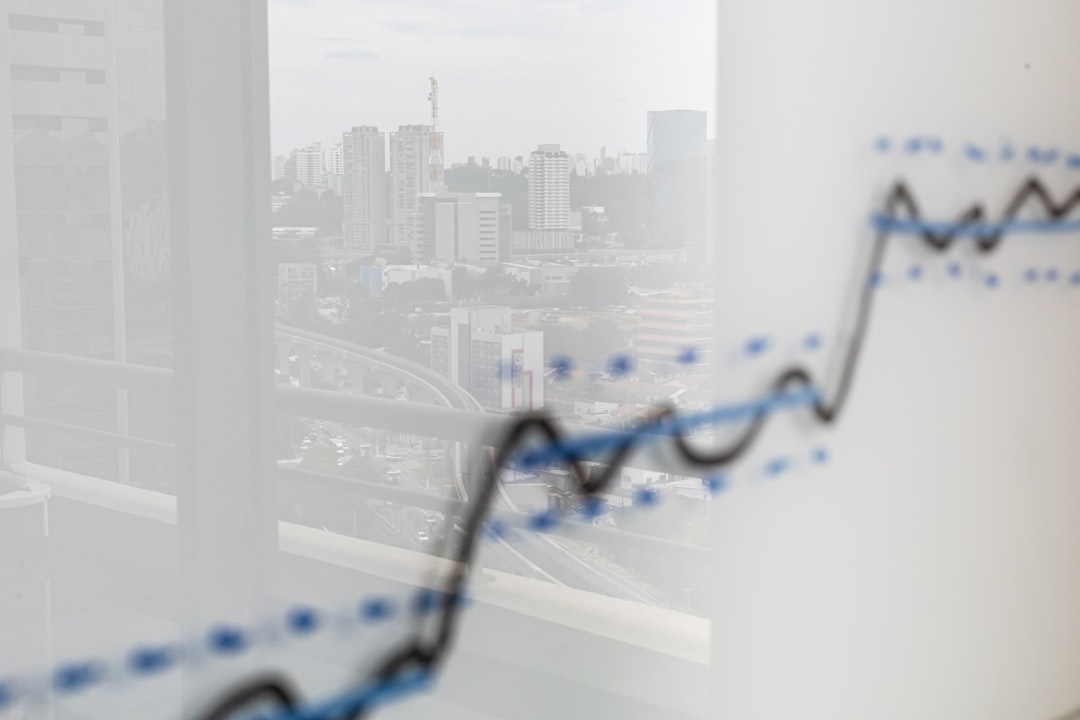
Oil prices, specifically Brent crude, rose by as much as 4% to $105.50 a barrel following former President Trump's rejection of Iran's peace proposal. This immediate market reaction signals increased geopolitical risk premium in energy markets, potentially leading to higher global energy costs.
Brent crude prices experienced an intra-day surge of up to 4% on Monday, reaching $105.50 a barrel, before settling at $103.50. This uptick followed President Donald Trump's public dismissal of Iran's response to a U.S.-backed peace initiative aimed at de-escalating regional conflict. The rejection, conveyed via a Truth Social post, characterized Tehran's overture as 'totally unacceptable'.
The immediate economic implication is an increase in energy costs, which could translate into higher input prices for various industries globally. For consumers, elevated crude prices often precurse higher gasoline and heating oil costs, potentially dampening discretionary spending and contributing to inflationary pressures. Businesses reliant on transportation and raw materials derived from petroleum could face margin compression, necessitating price adjustments or efficiency gains.
While the market reaction was swift, the sustained impact on global energy markets hinges on the duration and intensity of the geopolitical stalemate. Prolonged tensions in the Middle East, a pivotal region for global oil supply, inherently introduce supply premium into crude prices. Energy-importing nations are particularly vulnerable to these price shocks, potentially facing trade balance deteriorations and increased domestic inflation. Conversely, oil-exporting economies may see a boost in revenues, though this benefit could be offset by broader global economic slowdowns if high energy costs stifle growth.
Analyst's Take
While the headline focuses on the immediate oil price spike, the more significant, yet overlooked, implication is the erosion of confidence in diplomatic resolutions for persistent geopolitical flashpoints. This not only embeds a higher risk premium in energy markets for the foreseeable future but also diverts investment from productive assets towards speculative hedges against political instability, potentially slowing global capital formation. The market may be underpricing the cumulative effect of a series of unresolved geopolitical issues creating a 'new normal' for commodity volatility.

