MacroBBC BusinessMay 5, 2026· 1 min read
Nissan Streamlines European Operations, Sunderland Plant to See Third-Party Collaboration
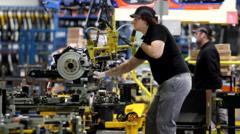
Nissan will close a production line at its UK Sunderland plant and cut 900 jobs across Europe to optimize operations. The company is exploring third-party collaboration to fully utilize the remaining Sunderland capacity.
Nissan Motor Co. has announced a strategic restructuring of its European manufacturing footprint, which includes the closure of a production line in its UK Sunderland plant and the elimination of approximately 900 jobs across its European operations. The decision reflects ongoing efforts to optimize operational efficiency and adapt to evolving market conditions within the automotive sector.
The Sunderland plant, a cornerstone of Nissan's European production, will see one of its three lines cease operations. However, Nissan concurrently stated it is actively exploring collaborations with a third party to ensure the full utilization of the remaining capacity at the facility. This move suggests a potential pivot towards contract manufacturing or shared production ventures to maintain output levels and mitigate the economic impact of the line closure.
The job reductions will primarily affect roles associated with the discontinued production line and broader operational adjustments across Nissan's European divisions. While specific details on the distribution of these job cuts were not immediately disclosed, the announcement underscores the ongoing pressures on automotive manufacturers to streamline costs and adapt to a competitive and increasingly electrified market landscape.
Economically, the closure of a production line and job losses represent a localized contraction in manufacturing employment and potential disruption to the supply chain within the region. However, the pursuit of a third-party partner for the Sunderland plant signals an intention to preserve industrial capacity and potentially introduce new revenue streams or manufacturing specializations, which could temper the overall economic impact in the medium term. The broader European automotive industry continues to navigate shifts in consumer demand, regulatory changes, and intense competition, prompting manufacturers like Nissan to continually re-evaluate their operational strategies.
Analyst's Take
While the immediate impact is job losses, Nissan's strategic shift to utilize excess Sunderland capacity via a third party suggests a broader trend in auto manufacturing towards asset-light models or contract production. This could signal a move away from dedicated, vertically integrated plants towards more flexible, multi-brand facilities, potentially leading to increased competition for manufacturing contracts among struggling plants across Europe.

