EnergyOilPrice.comMay 4, 2026· 1 min read
Global Methane Abatement Offers Significant Gas Supply Boost, IEA Reports
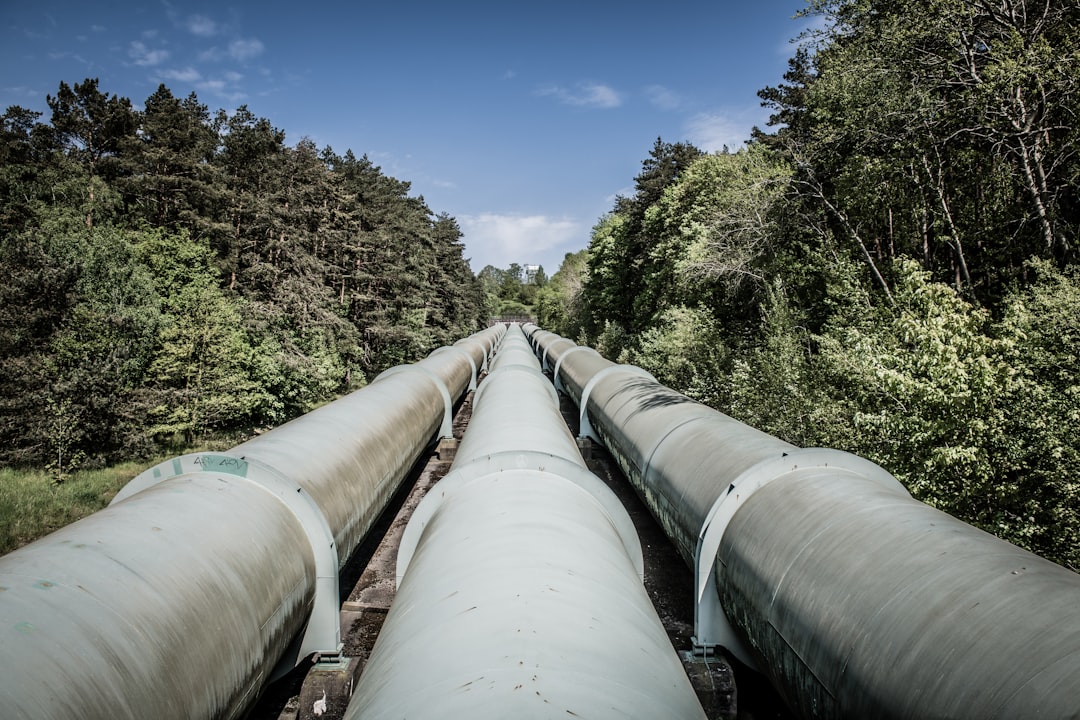
Global methane abatement measures could unlock natural gas volumes double the current supply constrained by the Strait of Hormuz, according to a new IEA report. The agency notes methane emissions from the energy sector plateaued at near record highs in 2025, emphasizing the economic viability of capturing these emissions.
The International Energy Agency (IEA) announced on Monday that global methane abatement measures, if widely adopted, could unlock substantial natural gas volumes, potentially doubling the current supply affected by disruptions in the Strait of Hormuz. This assessment comes from the IEA's 'Global Methane Tracker 2026' report, which highlights that methane emissions from the energy sector remained near record highs in 2025.
The IEA emphasizes the economic viability of implementing readily available methane abatement technologies across the natural gas value chain, from extraction to consumption. These measures include detecting and repairing leaks, upgrading equipment, and improving operational practices. The report suggests that such efforts could not only significantly reduce greenhouse gas emissions but also recover substantial quantities of natural gas that would otherwise be lost to the atmosphere.
The potential increase in gas availability through methane capture offers a dual benefit: enhancing energy security by diversifying supply and mitigating the environmental impact of natural gas consumption. For major gas exporters, these measures represent an opportunity to optimize resource utilization and potentially increase exportable volumes without new production. Importer nations could see a more stable and potentially lower-cost supply as overall global availability improves.
While the Strait of Hormuz reference provides a quantifiable benchmark for the potential impact, the IEA's core message is about long-term systemic improvements. The report underscores that current technology and established practices can drive these changes, making the economic case for methane abatement increasingly compelling in a volatile energy market.
Analyst's Take
The IEA's framing of methane abatement as a significant new source of gas supply, rather than solely an environmental cost, could shift investment priorities within the energy sector. This reframing may accelerate the adoption of methane capture technologies, potentially impacting LNG spot prices and future gas contract negotiations by increasing perceived long-term supply elasticity, even before significant new production comes online.