MacroBBC BusinessApr 29, 2026· 1 min read
Oil Prices Surge to $115 Amid Reports of Extended Iran Blockade
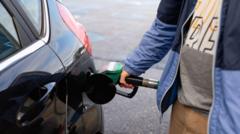
Global crude oil prices surged to $115 per barrel following unverified reports of an extended blockade by Iran, amplifying geopolitical risk in the Middle East. This jump signals significant supply concerns, threatening inflationary pressures and potential dampening effects on global economic growth.
Global crude oil prices have jumped to $115 per barrel following unconfirmed reports suggesting a potential 'extended' blockade by Iran. The sharp price movement reflects heightened geopolitical risk and supply concerns emanating from ongoing instability in the Middle East. While details regarding the nature and duration of the alleged blockade remain unverified, market participants are reacting to the prospect of significant disruptions to global oil flows, particularly through critical chokepoints.
Historically, any perceived threat to oil transit routes in the region, such as the Strait of Hormuz, has triggered immediate and substantial price volatility. This latest surge underscores the market's sensitivity to geopolitical developments that could impact supply lines from major producing nations. The Middle East accounts for a significant portion of global oil production, and any prolonged disruption could have far-reaching implications for energy markets worldwide.
Economically, sustained higher oil prices can fuel inflationary pressures, impacting consumer spending and corporate input costs. Industries heavily reliant on transportation, such as logistics, aviation, and manufacturing, face increased operational expenses. Central banks, already navigating complex inflationary environments, may find their policy decisions further complicated by energy price shocks. A prolonged period of elevated crude prices could also dampen global economic growth prospects, potentially slowing industrial output and investment across various sectors. The current price movement highlights the persistent vulnerability of the global economy to supply-side shocks originating from geopolitical flashpoints.
Analyst's Take
The market's immediate reaction to unverified blockade reports suggests an underestimation of geopolitical fragility and an over-reliance on existing supply stability. While the headline focuses on a potential supply shock, the more profound impact will be seen in bond markets, where inflation expectations may creep higher, forcing central banks to maintain a hawkish stance longer than currently anticipated, potentially exacerbating an already slowing global economy.

