MacroBBC BusinessMay 10, 2026· 1 min read
Greece Reassures UK Tourists on Summer Border Efficiency
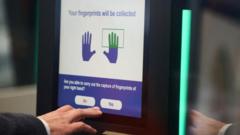
Greece's Tourism Minister reassures UK travelers that upcoming biometric border checks will not cause summer delays, signaling efforts to streamline entry processes. This commitment aims to protect the crucial tourism sector from potential economic disruptions caused by border congestion.
Greek Tourism Minister Olga Kefalogianni has indicated that British visitors should not anticipate significant delays at Greek borders this summer, despite upcoming biometric checks. The minister stated the Greek government's commitment to ensuring that tourists are not "burdened" by these processes, signaling an intent to streamline entry procedures. This reassurance comes as the European Union prepares to implement a new Entry/Exit System (EES) that will require third-country nationals, including UK citizens, to provide biometric data such as fingerprints and facial scans upon entry and exit from the Schengen Area.
The EES is designed to replace manual passport stamping, enhancing border security and improving the identification of overstayers. While the full rollout of the EES has faced multiple delays, its implementation is expected to add an extra layer of processing time at external Schengen borders. Greece's proactive stance suggests a recognition of the potential economic impact of border congestion on its vital tourism sector. The UK represents a significant source market for Greek tourism, contributing substantially to the nation's GDP and employment figures.
Minimizing friction at entry points is crucial for maintaining tourist flows, particularly during the peak summer season when airports and ports experience their highest volumes. Any operational inefficiencies leading to extensive queues could deter future travel, affecting airline bookings, hotel occupancy rates, and local consumption. The Greek government's explicit commitment to mitigating these issues underscores the economic imperative of facilitating smooth tourist entry, especially in a post-pandemic recovery environment where competition for international visitors remains high.
Analyst's Take
While seemingly minor, Greece's pre-emptive reassurance signals broader anxieties within EU tourism-dependent economies about the operational readiness and potential economic drag of the new EES. The market may be underpricing the risk of initial implementation snags across the Schengen zone, which could lead to isolated but economically impactful tourist flow disruptions, particularly for regions heavily reliant on non-EU visitors.

