TradeSCMP BusinessApr 29, 2026· 1 min read
Ikea Pivots to Small-Format Stores in China Amid Shifting Consumer Demands
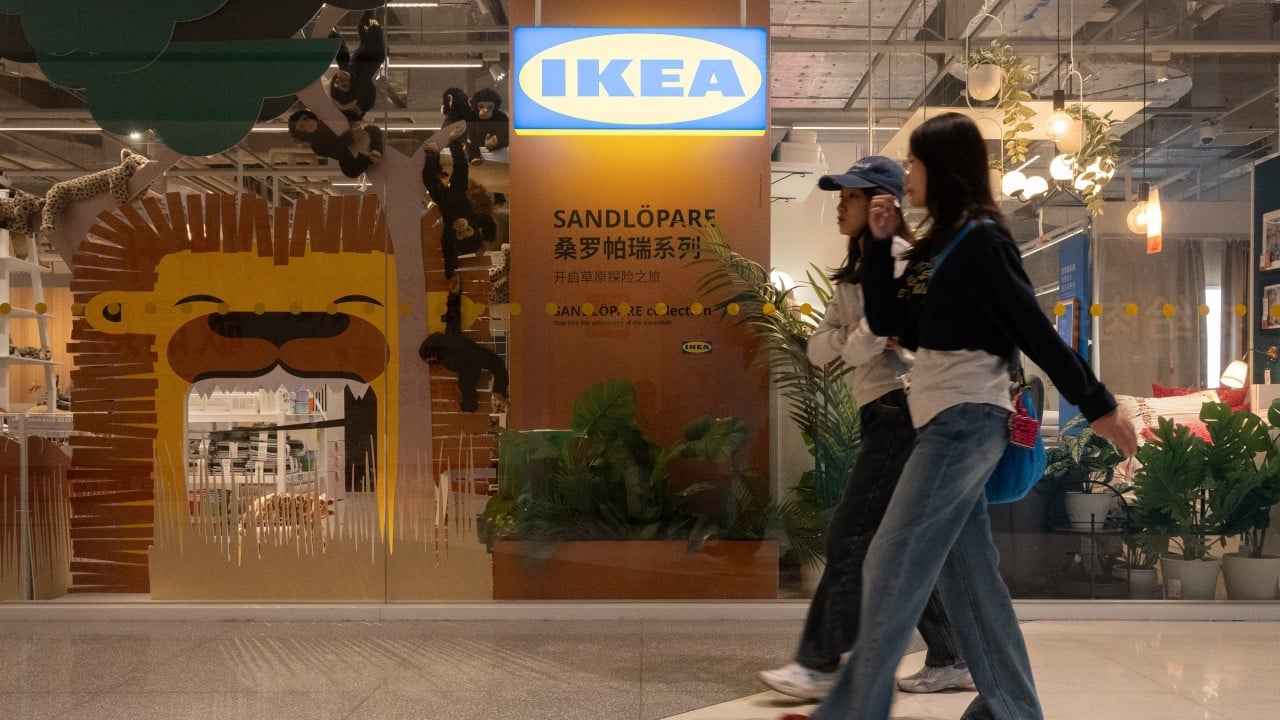
Ikea is opening its first small-format store in Beijing, a strategic pivot to address evolving Chinese consumer trends emphasizing convenience and efficiency. This follows the closure of seven larger outlets, indicating an adaptation to a sluggish property market and shifting retail preferences.
Multinational furniture giant Ikea is set to open its inaugural small-format store in Beijing this Thursday, signaling a strategic shift in its approach to the Chinese market. This new outlet, designed for enhanced convenience and operational efficiency, aims to bring the brand closer to urban consumers and adapt to evolving purchasing behaviors.
The move follows Ikea's closure of seven large-format stores across mainland China in early February. The company is responding to significant shifts in the Chinese retail landscape, characterized by a growing preference for quick, accessible shopping experiences over traditional, large-scale retail destinations. This trend is further compounded by a slowdown in new-home furnishing demand, which analysts attribute to a sluggish property market.
Ikea's decision reflects a broader retail industry trend where e-commerce integration and proximity play increasingly critical roles. While large out-of-town stores historically served as destination shopping experiences, the rise of online retail and urban density has made smaller, strategically located outlets more appealing for everyday purchases and click-and-collect services. This adjustment aims to boost footfall and market penetration by aligning with the modern Chinese consumer's emphasis on efficiency and accessibility.
The economic implications of this strategy include potential cost savings on real estate and operational overhead associated with vast retail spaces. If successful, this model could optimize inventory management and supply chain logistics, catering more precisely to localized demand. For the broader Chinese retail sector, Ikea's pivot underscores the necessity for established international brands to innovate and adapt quickly to domestic market dynamics, particularly in an environment marked by digital transformation and macroeconomic shifts impacting consumer spending on durable goods.
Analyst's Take
While Ikea's shift appears reactive to current market conditions, it could be a leading indicator of a broader restructuring in China's home goods retail sector, potentially spurring local competitors to adopt similar lean models. The real economic impact won't be fully quantifiable until 12-18 months of sales data from these new formats are available, providing insights into their profitability and scalability in a tightening consumer discretionary spending environment.