MacroBBC BusinessMay 20, 2026· 1 min read
UK Adjusts Russian Oil Sanctions Amid Strait of Hormuz Disruptions
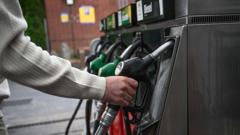
The UK has softened new sanctions on Russian oil, specifically for certain fuels, in response to growing supply concerns stemming from the effective blockade of the Strait of Hormuz. This adjustment aims to mitigate domestic fuel price increases and ensure supply stability amidst global energy market volatility.
The United Kingdom has revised its upcoming sanctions against Russian oil, specifically softening restrictions on certain fuels. This adjustment is a direct response to escalating supply concerns, primarily driven by the effective blockade of the Strait of Hormuz. The initial sanctions aimed to fully align with European Union measures, prohibiting the import of refined Russian petroleum products. However, the revised stance indicates a pragmatic shift to mitigate potential domestic fuel shortages and price surges.
The Strait of Hormuz, a critical chokepoint for global oil shipments, has faced significant disruptions, impacting the flow of various petroleum products. This geopolitical instability has put upward pressure on international fuel prices and raised alarms about energy security in importing nations. By watering down elements of its Russian oil sanctions, the UK government is prioritizing short-term supply stability over the full enforcement of its original punitive measures against Russia.
Economically, this decision reflects a delicate balancing act for Western governments. While sanctions aim to exert pressure on Russia, the unintended consequence of exacerbating global energy inflation and supply chain bottlenecks can be politically and economically costly. The move suggests a recognition that the global energy market remains highly interconnected and vulnerable to shocks, requiring flexibility in policy responses to protect domestic consumers and industries from severe price volatility.
The practical implications include a potentially continued, albeit reduced, flow of specific Russian refined fuels into the UK market, preventing a sharper contraction in supply. This could temper the rate of domestic fuel price increases that would otherwise be expected from a full ban combined with external supply disruptions. However, it also signals a potential weakening in the collective Western front on energy sanctions, potentially reducing their overall economic impact on Russia.
Analyst's Take
This policy adjustment signals a potential crack in the unified Western sanction strategy, highlighting the underestimated leverage of energy choke points in global geopolitics. We may see other European nations, particularly those with less diversified energy imports, quietly re-evaluate their own sanction enforcement if Strait of Hormuz tensions persist, potentially leading to a fragmented rather than synchronized pressure campaign on Russia.

