TradeHellenic Shipping NewsApr 27, 2026· 1 min read
Indonesia Considers Malacca Strait Transit Levy, Raising Shipping Cost Concerns
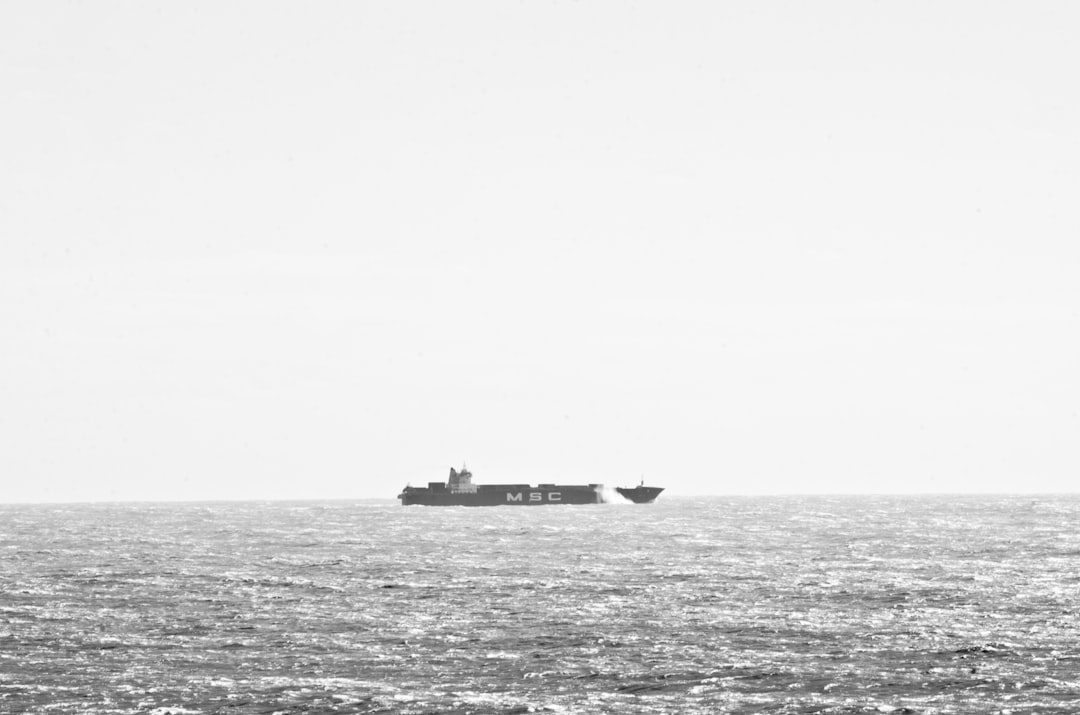
Indonesia's Finance Minister has proposed a transit levy on ships passing through the Malacca Strait, potentially increasing global shipping costs. This move could impact supply chains, commodity prices, and ignite international discussions on maritime transit rights.
Indonesia's Finance Minister, Purbaya Sadewa, has proposed the imposition of a levy on vessels transiting the Strait of Malacca. This development follows a statement by Singapore's Deputy Prime Minister regarding the unconditional transit rights of ships through international straits. The proposal, made at a symposium in Jakarta on April 22, suggests a shift in Indonesia's stance regarding its sovereign rights over the strategically vital waterway.
The Strait of Malacca is one of the world's busiest shipping lanes, handling approximately 40% of global trade and a significant portion of the world's oil shipments. Any new transit fee would directly increase operational costs for shipping companies, potentially impacting global supply chains and the pricing of goods reliant on this maritime route. Historically, the strait has been a free passage, and any deviation from this norm could spark international debate regarding freedom of navigation and maritime law.
While details on the potential levy's structure or implementation timeline remain scarce, the mere suggestion introduces a new layer of uncertainty for the shipping industry. Shippers may begin to factor in potential increased costs or even explore alternative, albeit longer and more expensive, routes if the levy is substantial. This could influence commodity prices, particularly for energy and manufactured goods transported between Asia and the West.
The economic implications extend beyond direct shipping costs. Trade flows could be affected, potentially shifting demand for port services and logistics in the region. Furthermore, the move could set a precedent for other nations controlling critical maritime choke points to consider similar levies, leading to a broader fragmentation of international maritime transit norms. The proposal highlights the economic leverage wielded by nations bordering key global trade arteries.
Analyst's Take
The immediate focus will be on direct shipping costs, but the true second-order effect could be a subtle rerating of geopolitical risk premiums for other maritime chokepoints. This Indonesian proposal might embolden other nations to assert greater economic control over their territorial waters, potentially leading to increased 'maritime tolling' across global trade routes, which markets are likely underestimating in the long term, especially for non-critical goods where rerouting costs are prohibitive but acceptable for high-value cargo.