MacroBBC BusinessMay 8, 2026· 1 min read
UK Government to Renationalize Major Rail Operator GWR Amidst Contract Expiration
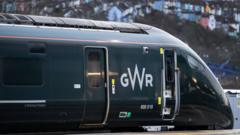
The UK government will renationalize Great Western Railway (GWR) as its operating contract expires, bringing a significant rail franchise under state control. This move continues a trend of UK rail lines reverting to government ownership, impacting future private sector involvement and the economic management of public transport.
FirstGroup's Great Western Railway (GWR) franchise, operating critical routes connecting London with South Wales and the West of England, is slated for renationalization. The UK Department for Transport (DfT) confirmed the operator will transition into government ownership within the coming months, aligning with the expiry of its current contract. This move follows a broader trend within the UK rail sector, where several lines have reverted to DfT control under the 'Operator of Last Resort' (OLR) mechanism.
The DfT's decision comes after negotiations with FirstGroup, GWR's parent company, regarding a new contract proved unsuccessful. Historically, GWR has been one of the UK's largest and most complex rail franchises, managing intercity, regional, and commuter services. The renationalization signifies an ongoing shift in the UK's rail management strategy, moving away from the private franchise model that has dominated since the 1990s.
Economically, the immediate implications involve the transfer of operational liabilities and assets to the state. While the DfT aims to maintain service continuity and minimize disruption, the long-term financial impact will depend on the government's ability to enhance efficiency, manage costs, and potentially invest in infrastructure upgrades. The move also raises questions about future private sector involvement in UK rail, potentially reducing investment opportunities for private operators and altering the competitive landscape.
For passengers, the change in ownership is expected to be largely administrative, with the DfT emphasizing a commitment to service quality. However, the success of state-owned enterprises in improving rail services and reducing taxpayer subsidies remains a subject of ongoing debate and scrutiny. This renationalization reinforces the government's increasing direct involvement in public transport provision, reflecting a broader policy re-evaluation of essential services.
Analyst's Take
While the immediate focus is on operational continuity, this renationalization, alongside others, could signal a more profound, albeit gradual, 'de-risking' of private capital from UK infrastructure projects perceived as politically sensitive or low-margin, potentially leading to higher capital costs for remaining private ventures or increased sovereign debt issuance to fund future infrastructure. The timing, coinciding with upcoming general elections, suggests a strategic political play that could influence the broader infrastructure investment landscape beyond rail.

