MacroBBC BusinessApr 29, 2026· 1 min read
US Kelp Farming Expansion Targets Food Market and Coastal Revitalization
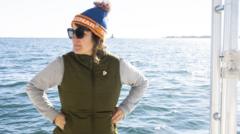
US marine farmer Suzie Flores is championing the expansion of domestic kelp production, aiming to introduce seaweed into American diets. This initiative also seeks to economically revitalize small US fishing towns by offering alternative income streams and diversifying local economies.
Marine farmer Suzie Flores is spearheading efforts to expand kelp production in the United States, with a strategic focus on integrating seaweed into American diets. Beyond direct consumption, the initiative aims to leverage kelp cultivation as a catalyst for economic revitalization in the nation's smaller fishing towns. The burgeoning kelp industry offers a new revenue stream for communities historically reliant on traditional fishing, which have faced challenges due to changing fish stocks and environmental regulations.
Economically, the expansion of kelp farming presents a dual benefit. Firstly, it taps into the growing market for sustainable food sources and plant-based alternatives, potentially reducing reliance on imported seafood and agricultural products. This could improve the domestic food supply chain's resilience and create new agricultural jobs. Secondly, by diversifying the economic base of coastal communities, kelp farming can provide alternative employment opportunities for displaced fishermen and support ancillary industries like processing, packaging, and distribution.
Developing a scalable kelp industry requires investment in aquaculture infrastructure, research into cultivation techniques suitable for various US coastal regions, and consumer education campaigns to broaden appeal. The success of this venture could also contribute to marine ecosystem health, as kelp forests are known carbon sinks and provide habitat for marine life. However, initial growth will depend on navigating regulatory frameworks for marine aquaculture and securing market penetration against established food preferences.
Analyst's Take
While seemingly niche, the expansion of domestic aquaculture, particularly kelp, could signal a broader trend in supply chain reshoring and diversification, driven by climate concerns and food security. We might see increased public and private investment in 'blue economy' initiatives over the next 3-5 years, potentially impacting coastal real estate values and specialized labor markets that aren't typically tracked by headline economic indicators.

