MacroBBC BusinessMay 2, 2026· 1 min read
UK Airlines Granted Flexibility Amidst Middle East Fuel Supply Concerns
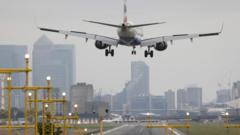
The UK government has authorized airlines to proactively cancel flights in anticipation of fuel shortages, particularly those linked to Middle Eastern supplies. This policy aims to avert last-minute disruptions for passengers during the summer travel period and improve operational planning for carriers.
The UK government has introduced new regulations allowing airlines to pre-emptively cancel flights in response to anticipated fuel shortages. This measure is primarily aimed at mitigating disruptions stemming from potential supply chain issues originating in the Middle East, particularly ahead of the busy summer travel season. Historically, fuel supply volatility, often exacerbated by geopolitical events, has led to last-minute flight cancellations, causing significant passenger inconvenience and operational costs for airlines.
The new directive provides carriers with greater planning autonomy, enabling them to adjust schedules in advance when faced with credible intelligence regarding fuel availability constraints. This proactive approach seeks to minimize the cascading effects of unforeseen shortages, such as aircraft being grounded with passengers onboard or unexpected diversions. While the immediate impetus for this policy change is specific to Middle Eastern supply routes, it reflects broader industry efforts to build resilience against external shocks affecting critical operational inputs.
From an economic standpoint, this policy aims to optimize resource allocation for airlines, potentially reducing the financial burden associated with compensatory payments for last-minute cancellations and the reputational damage incurred. For consumers, the trade-off is earlier notification of schedule changes, allowing for rebooking or alternative travel arrangements, rather than experiencing disruptions at the airport. The efficacy of this measure will depend on the accuracy of fuel supply forecasts and the willingness of airlines to utilize this flexibility judiciously.
Analyst's Take
While framed as a proactive measure for passenger convenience, this policy implicitly signals a heightened, yet unquantified, concern within government about the stability of global energy supply chains beyond crude oil, extending to refined products. The timing, just ahead of summer, suggests either a specific intelligence brief or a pre-emptive move to externalize some risk onto carriers, who will now bear the burden of forecasting and managing passenger relations for earlier cancellations, potentially shifting demand towards less impacted routes or modes of transport before the true extent of any supply crunch materializes.

