MacroBBC BusinessMay 20, 2026· 1 min read
UK Forges £3.7bn Trade Deal with Gulf Cooperation Council
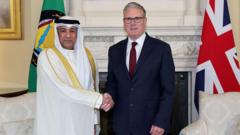
The UK has signed a £3.7 billion trade agreement with the Gulf Cooperation Council, eliminating an estimated £580 million in tariffs on British exports. This deal aims to significantly boost UK trade with the six Gulf states, despite criticism from human rights groups regarding some GCC members.
The United Kingdom has finalized a free trade agreement with the Gulf Cooperation Council (GCC), a bloc comprising Saudi Arabia, the UAE, Qatar, Bahrain, Kuwait, and Oman. This landmark deal is projected to boost UK exports to the region by an estimated £3.7 billion and eliminate approximately £580 million in tariffs on British goods. The agreement aims to liberalize trade across a range of sectors, fostering increased economic cooperation between the UK and the six Gulf states.
The agreement's primary economic benefit for the UK is the removal of tariffs, which is expected to lower costs for British exporters and make UK products more competitive in the GCC market. This reduction in trade barriers could stimulate growth in key British industries such as machinery, pharmaceuticals, and services. For the GCC, the deal offers enhanced access to UK expertise and goods, potentially contributing to economic diversification efforts away from traditional hydrocarbon sectors.
While the financial and economic implications are significant, the deal has drawn criticism from various human rights organizations. These groups have voiced concerns regarding the human rights records of some GCC member states, suggesting a potential tension between economic imperatives and ethical considerations in foreign policy. Despite these objections, the UK government has emphasized the economic advantages of the agreement, framing it as a crucial step in strengthening global trade ties post-Brexit and expanding market access for British businesses.
Analyst's Take
While the headline focuses on immediate tariff reductions, the longer-term play for the UK is in services and investment flows, particularly as GCC states pursue economic diversification. The market may be underpricing the potential for increased UK direct investment into Gulf infrastructure and green energy projects, which could materialize within 18-24 months and offer a less volatile return profile than traditional goods exports.

