MacroBBC BusinessApr 29, 2026· 1 min read
Geopolitical Tensions Complicate Central Bank Rate Decisions
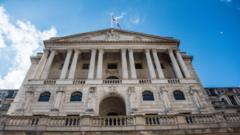
Geopolitical tensions surrounding the Iran conflict are making it challenging for economic analysts to predict future central bank interest rate decisions. The potential for energy market disruptions and inflationary pressures adds significant uncertainty to monetary policy outlooks.
As geopolitical tensions, specifically those surrounding the Iran conflict, continue to escalate, economic analysts are finding it increasingly difficult to forecast future central bank interest rate decisions. The uncertainty introduced by potential disruptions to global energy markets and supply chains is a primary factor complicating monetary policy outlooks.
Central banks globally, including the Bank of England and the US Federal Reserve, typically consider a range of economic indicators such as inflation, employment data, and GDP growth when setting benchmark interest rates. However, the current environment has introduced a significant exogenous variable – geopolitical risk – that has the potential to rapidly alter economic forecasts.
Energy prices, particularly oil, are highly sensitive to Middle Eastern stability. A prolonged or intensified conflict could lead to significant spikes in crude oil, gas, and refined product prices. This would feed directly into inflationary pressures across economies, potentially forcing central banks to maintain higher interest rates for longer than previously anticipated, even if underlying economic growth signals weaken.
Conversely, a severe economic downturn triggered by geopolitical instability could prompt central banks to cut rates to stimulate growth, despite inflationary concerns. This creates a challenging dilemma for policymakers, who must balance the immediate threat of inflation with the longer-term imperative of economic stability. The current consensus among many analysts is a pause in rate changes, as policymakers assess the evolving situation and its potential economic ramifications before committing to a definitive path.
Analyst's Take
The market's current focus on immediate inflation from energy shocks may overlook the potential for a simultaneous demand-side contraction if the conflict broadens, creating a stagflationary environment that would severely challenge central bank mandates. This could lead to a 'wait and see' approach extending well into Q3, as policymakers prioritize stability over aggressive action in either direction, leaving long-term bond yields sensitive to daily geopolitical headlines.

